42 hiv and aids are different labels for the same disease
ASCVD Risk Estimator - American College of Cardiology Chronic kidney disease (eGFR 15–59 mL/min/1.73 m 2 with or without albuminuria; not treated with dialysis or kidney transplantation) Chronic inflammatory conditions such as psoriasis, RA, or HIV/AIDS; History of premature menopause (before age 40 y) and history of pregnancy-associated conditions that increase later ASCVD risk such as preeclampsia HIV and AIDS: How is AIDS Different from HIV? Even though people may talk about HIV and AIDS like they are one and the same, they are not the same thing. HIV is the virus that infects a person. AIDS is the disease that later develops in people with HIV. Today, drugs make it possible for people with HIV infection to live a very long time before ever getting AIDS. How long you have the HIV ...
Answers to your questions for a better understanding of sexual ... The HIV/AIDS pandemic is another area in which prejudice and discrimination against lesbian, gay and bisexual people have had negative effects. Early in the pandemic, the assumption that HIV/AIDS was a "gay diseases" contributed to the delay in addressing the massive social upheaval that AIDS would generate.
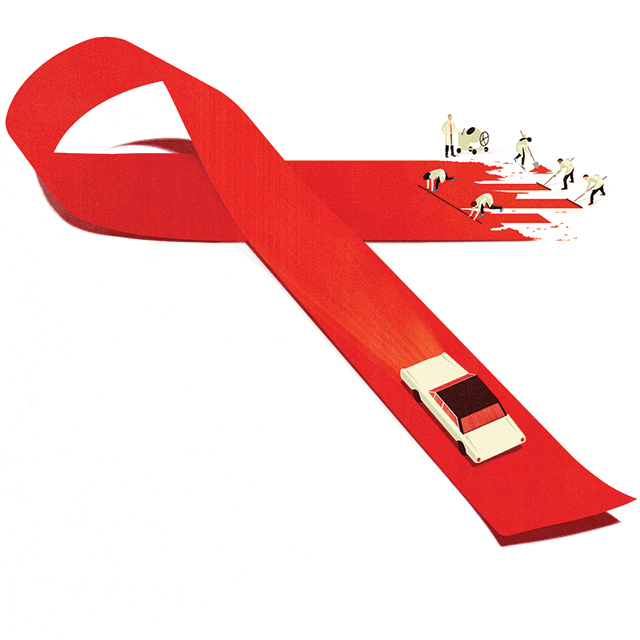
Hiv and aids are different labels for the same disease
Home Page: Journal of Allergy and Clinical Immunology Sep 13, 2022 · An official publication of the American Academy of Allergy, Asthma, and Immunology, The Journal of Allergy and Clinical Immunology brings timely clinical papers, instructive case reports, and detailed examinations of state-of-the-art equipment and techniques to clinical allergists, immunologists, dermatologists, internists, and other physicians concerned … (Get Answer) - HIV and AIDS are different labels for the same disease ... Five cases of Pneumocystis carinii pneumonia (in Los Angeles, in 1981) signaled the beginning of the acquired immune deficiency syndrome (AIDS) epidemic caused by the human immunodeficiency virus (HIV). As the worldwide scope of the HIV/AIDS epidemic... Posted 11 months ago, Recent Questions in Software Engineering, Q: 1. Sexual orientation - Wikipedia Sexual orientation is an enduring pattern of romantic or sexual attraction (or a combination of these) to persons of the opposite sex or gender, the same sex or gender, or to both sexes or more than one gender.These attractions are generally subsumed under heterosexuality, homosexuality, and bisexuality, while asexuality (the lack of sexual attraction to others) is …
Hiv and aids are different labels for the same disease. › reg3aDepartment of Justice ADA Title III Regulation 28 CFR Part 36 ... The technical specifications 4.2 through 4.35, of these guidelines are the same as those of the American National Standard Institute's document A117.1-1980, except as noted in this text by italics. However, sections 4.1.1 through 4.1.7 and sections 5 through 10 are different from ANSI A117.1 in their entirety and are printed in standard type. › health › cannabis-marijuana-andCannabis (Marijuana) and Cannabinoids: What You Need To Know Unintentional weight loss can be a problem for people with HIV/AIDS. In 1992, the FDA approved the cannabinoid dronabinol for the treatment of loss of appetite associated with weight loss in people with HIV/AIDS. This approval was based primarily on a study of 139 people that assessed effects of dronabinol on appetite and weight changes. What is the Difference between HIV and AIDS? | STD Check HIV attacks and destroys specific immune system cells called CD4 cells. The body's loss of these cells makes it less able to ward off other diseases and infections, including cancers. AIDS stands for acquired immunodeficiency syndrome. AIDS is the final, most advanced stage of an HIV infection. HIV and AIDS: What's The Difference? | NIH - HIVINFO HIV. AIDS. What's the difference? View this infographic to find out. Antiretroviral Therapy: What Does It Do? ...
Could Using Medical Marijuana For HIV/AIDS Be A Step To Better Health? Are HIV and AIDS different labels for the same disease? No. HIV can damage the immune system and make it harder for the body to fight off infections and diseases. AIDS is a collection of symptoms and illnesses that occur when HIV destroys the immune system. What is the difference between HIV and AIDS | HealthShots AIDS is a medical condition, and HIV is a virus that attacks the human immune system. No cure exists for AIDS, but it can be controlled and prevented. Image courtesy: Shutterstock. Dr Chowti says, "HIV is a virus that may cause AIDS after being infected for several years and weakening the immune system. HIV and AIDS: The Basics | NIH - National Institutes of Health The abbreviation "HIV" can refer to the virus or to HIV infection. AIDS stands for acquired immunodeficiency syndrome. AIDS is the most advanced stage of HIV infection. HIV attacks and destroys the infection-fighting CD4 cells ( CD4 T lymphocyte) of the immune system. The loss of CD4 cells makes it difficult for the body to fight off ... HIV vs. AIDS: Differences and connections - Medical News Today AIDS: Stage 3 of HIV infection, AIDS is the final stage (stage 3) of HIV infection. It is diagnosed based on a CD4 cell count or the development of one or more opportunistic infections. Stage 1 is...
What is the difference between HIV, STD, and AIDS? Bacteria, viruses, or fungicides can cause them. So, while HIV is a virus that weakens the body immunity systems and AIDS is the condition that comes as a result of the weakened body immunity system, STDs are sexually transmitted diseases that are caused by a virus, a fungicide, or bacteria- often through sexual intercourse. About HIV/AIDS | HIV Basics | HIV/AIDS | CDC - Centers for Disease ... HIV (human immunodeficiency virus) is a virus that attacks the body's immune system. If HIV is not treated, it can lead to AIDS (acquired immunodeficiency syndrome). There is currently no effective cure. Once people get HIV, they have it for life. But with proper medical care, HIV can be controlled. tools.acc.org › ascvd-risk-estimator-plusASCVD Risk Estimator - American College of Cardiology Chronic kidney disease (eGFR 15–59 mL/min/1.73 m 2 with or without albuminuria; not treated with dialysis or kidney transplantation) Chronic inflammatory conditions such as psoriasis, RA, or HIV/AIDS; History of premature menopause (before age 40 y) and history of pregnancy-associated conditions that increase later ASCVD risk such as preeclampsia LGBT rights in Jamaica - Wikipedia Dr. Robert Carr, widely recognised as one of the world's leading researchers on cultural forces and the unfolding of the HIV pandemic, said: AIDS was seen as a disease of gay, White, North American men. And people were really afraid of it. There were no treatments available in the Caribbean at the time, so AIDS really was a death sentence.
HIV and Dementia | Johns Hopkins Medicine
Cannabis (Marijuana) and Cannabinoids: What You Need To Know Drugs containing cannabinoids may be helpful in treating certain rare forms of epilepsy, nausea and vomiting associated with cancer chemotherapy, and loss of appetite and weight loss associated with HIV/AIDS. In addition, some evidence suggests modest benefits of cannabis or cannabinoids for chronic pain and multiple sclerosis symptoms. Cannabis isn’t helpful for …
:max_bytes(150000):strip_icc()/data_coping-7cc96d7663954880b4f2aea335bb1446.png)
HIV: Coping, Support, and Living Well
Solved 2. HIV and AIDS are different labels for the same - Chegg Expert Answer. 100% (2 ratings) 2. HIV and AIDS are different labels for the same dis …. View the full answer. Transcribed image text: 2. HIV and AIDS are different labels for the same disease. O true ő false SUBMIT.

HIV/AIDS – National Foundation for Infectious Diseases
Difference Between AIDS and HIV - A Detailed Overview - BYJUS Human Immunodeficiency Virus (HIV) is the causal factor (reason) for AIDS. Complications and secondary infections from this disease kill the host. The virus is incapable of killing a host by itself. AIDS is a condition acquired only after the contraction of HIV. HIV is a virus and like other viruses, can spread from person to person.

With monkeypox, the world must heed the lessons of HIV/AIDS ...
chapter 10 developmental psyc Flashcards | Quizlet HIV and AIDS are different labels for the same disease. false, HIV is the virus that causes AIDS. AIDS is an advanced stage of HIV infection in which the immune system is extremely compromised making the patient very vulnerable to various infections. Adolescent egocentrism helps young people to focus on themselves and practice safe sex. false,
People's perceptions of HIV/AIDS as portrayed by their labels ...
nurseslabs.com › 13-aids-hiv-positive-nursing-care13 AIDS (HIV Positive) Nursing Care Plans - Nurseslabs Mar 18, 2022 · Acquired immunodeficiency syndrome (AIDS) is a serious secondary immunodeficiency disorder caused by the retrovirus, human immunodeficiency virus (). Both diseases are characterized by the progressive destruction of cell-mediated (T-cell) immunity with subsequent effects on humoral (B-cell) immunity because of the pivotal role of the CD4+helper T cells in immune reactions.

HIV and AIDS Nursing Care Management and Study Guide
Confirmation bias - Wikipedia Definition and context. Confirmation bias, a phrase coined by English psychologist Peter Wason, is the tendency of people to favor information that confirms or strengthens their beliefs or values and is difficult to dislodge once affirmed. Confirmation bias is an example of a cognitive bias.. Confirmation bias (or confirmatory bias) has also been termed myside bias.
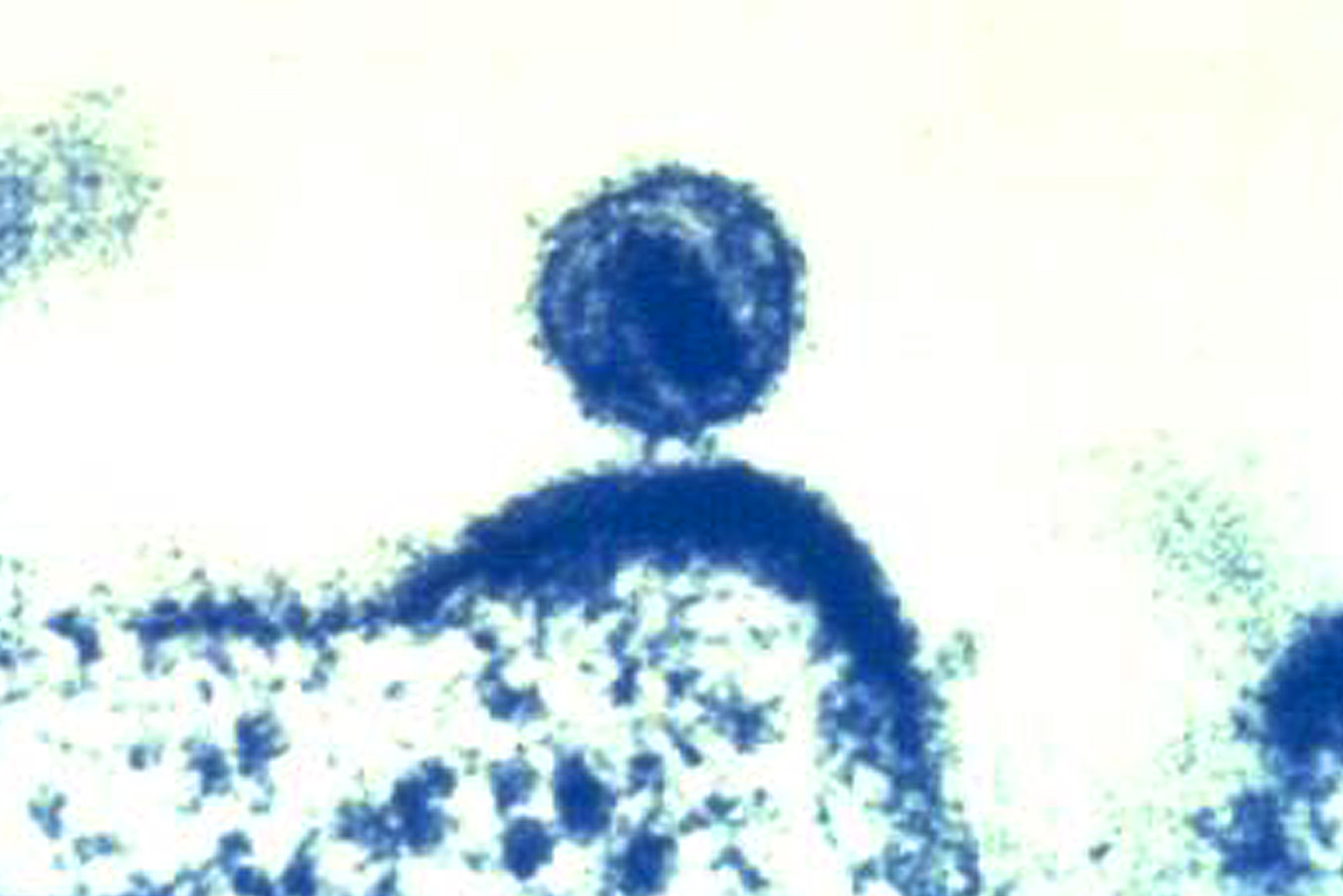
New study: HIV can evolve to be more severe — and contagious ...
HIV vs. AIDS: Differences and Progression - WebMD HIV and AIDS are related, but they're not the same. HIV is a virus. It may cause AIDS after you've been infected for several years and it's weakened your immune system. Not everyone who has HIV...
/Aids-and-autoimmune-diseases-5113376_final-f35eaa36335d4e4d8638ac86fdf16146.jpg)
AIDS vs. Autoimmune Diseases
People's perceptions of HIV/AIDS as portrayed by their labels of the ... This study looks at the different labels or names that have been used to refer to HIV/AIDS in Botswana. It is an attempt to provide insights into perceptions of HIV/AIDS by the local communities portrayed through the naming of this disease. The study demonstrates how, through the different labels, the local communities started in denial ...

First woman cured of HIV after breakthrough stem cell transplant
Department of Justice ADA Title III Regulation 28 CFR Part 36 (1991) The technical specifications 4.2 through 4.35, of these guidelines are the same as those of the American National Standard Institute's document A117.1-1980, except as noted in this text by italics. However, sections 4.1.1 through 4.1.7 and sections 5 through 10 are different from ANSI A117.1 in their entirety and are printed in standard type.

HIV Clinic meets changes in disease and treatment for 28 ...
What's the Difference Between HIV & AIDS? - Norwich University Online The biggest difference between HIV and AIDS is that HIV is a virus that infects the body and compromises its ability to fight off other diseases, while AIDS is the final stage of an HIV infection in which the person's immune system is so compromised by HIV that opportunistic infections and diseases occur.
Experiences and effects of HIV-related stigma among youth ...
EOF
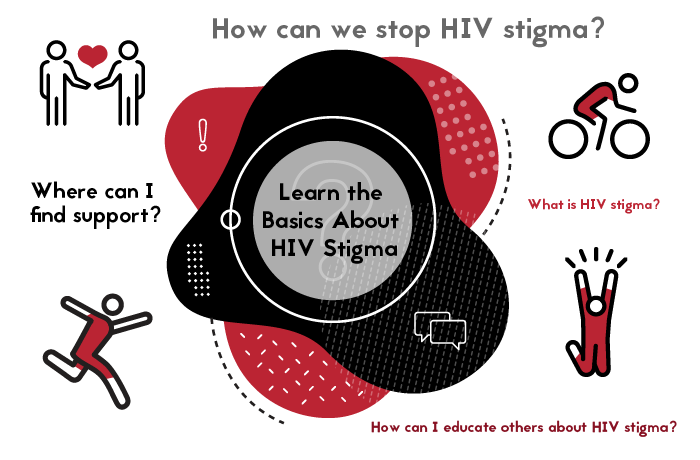
Facts about HIV Stigma | HIV Basics | HIV/AIDS | CDC
en.wikipedia.org › wiki › Sexual_orientationSexual orientation - Wikipedia The International HIV/AIDS Alliance estimates a worldwide prevalence of men who have sex with men between 3 and 16%. [136] The relative percentage of the population that reports a homosexual or bisexual orientation can vary with different methodologies and selection criteria.
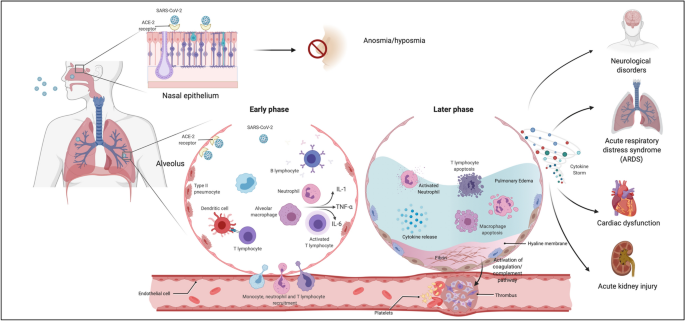
COVID-19 and HIV infection co-pandemics and their impact: a ...
HIV vs. AIDS: What's the Difference? - Healthline While HIV is a virus that may cause an infection, AIDS (which is short for acquired immunodeficiency syndrome) is a condition. Contracting HIV can lead to the development of AIDS. AIDS, or stage 3...
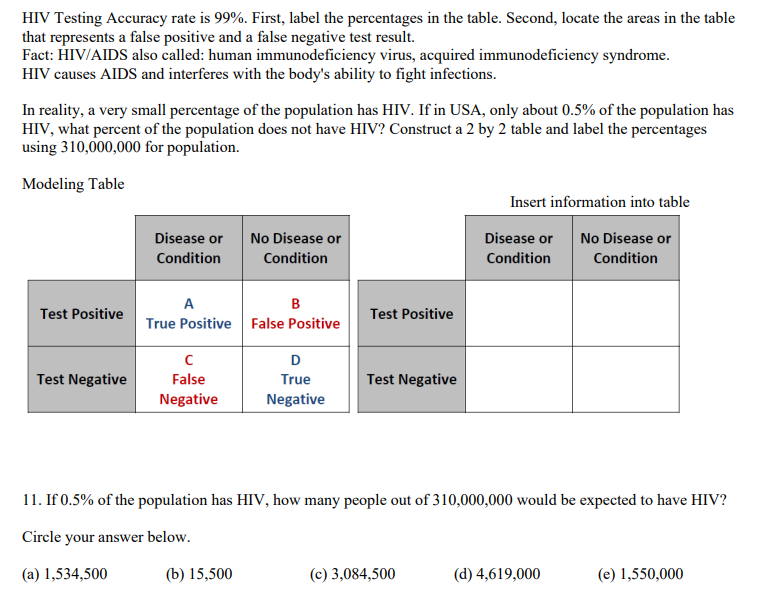
Solved HIV Testing Accuracy rate is 99%. First, label the ...
Medication - Wikipedia A medication (also called medicament, medicine, pharmaceutical drug, medicinal drug or simply drug) is a drug used to diagnose, cure, treat, or prevent disease. Drug therapy (pharmacotherapy) is an important part of the medical field and relies on the science of pharmacology for continual advancement and on pharmacy for appropriate …

Core Concepts - Acute and Recent HIV Infection - Screening ...
Is Herpes and HIV Same? - Differences, Symptoms, Testing and More HIV and Herpes are completely different types of diseases that even have their own causing agents. What is HIV? Human Immuno Deficiency Virus is a type of virus that spreads from one person to another via sexual contact, including vaginal and anal sex. Typically HIV progresses into three types of stages and symptoms change as the stage advances.

HIV Pathophysiology - Pathology Flashcards | Draw it to Know it
What is the Difference Between HIV and AIDS? - Verywell Health HIV is not the same disease it was even 15 years ago. With appropriate treatment, people with HIV can substantially lower the risk of developing AIDS-related illnesses. Not only can they enjoy long, healthy lives, but they can even explore pregnancy and parenthood. 21, And the benefits of treatment extend well beyond the person living with HIV.

HIV Stigma and Specified Correlates in North India – topic of ...
en.wikipedia.org › wiki › MedicationMedication - Wikipedia A medication (also called medicament, medicine, pharmaceutical drug, medicinal drug or simply drug) is a drug used to diagnose, cure, treat, or prevent disease. Drug therapy (pharmacotherapy) is an important part of the medical field and relies on the science of pharmacology for continual advancement and on pharmacy for appropriate management.
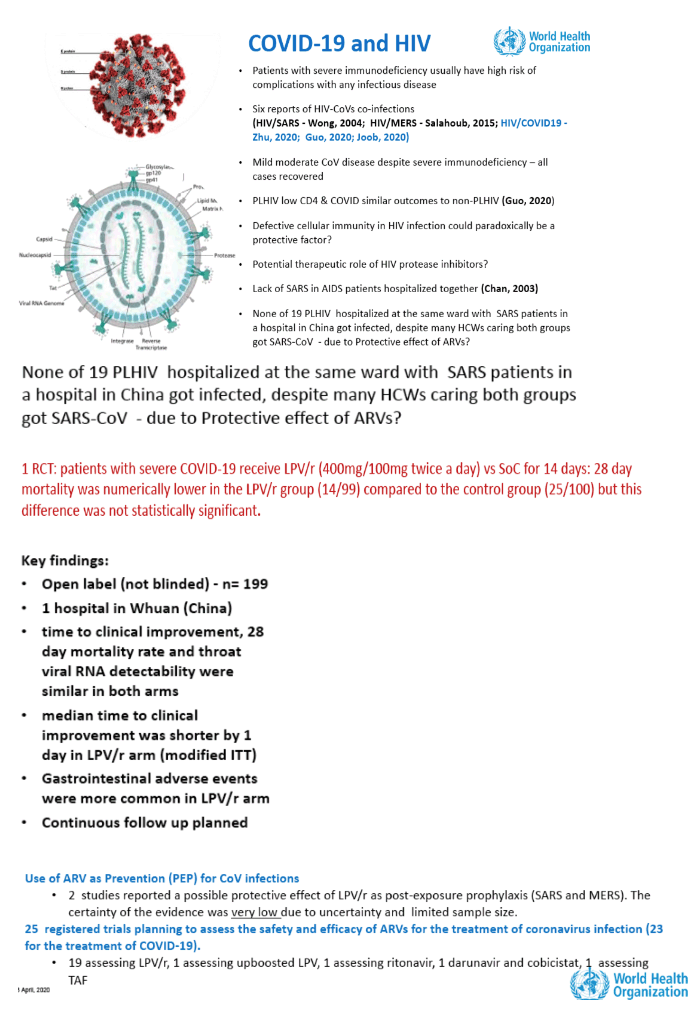
COVID & HIV+ China Report Preliminary Data, How do PLWH Fare?
Page: Journal of Allergy and Clinical Immunology Sep 13, 2022 · An official publication of the American Academy of Allergy, Asthma, and Immunology, The Journal of Allergy and Clinical Immunology brings timely clinical papers, instructive case reports, and detailed examinations of state-of-the-art equipment and techniques to clinical allergists, immunologists, dermatologists, internists, and other physicians concerned with clinical manifestations of ...
Correlates of Social Exclusion and Negative Labeling and ...
13 AIDS (HIV Positive) Nursing Care Plans - Nurseslabs Mar 18, 2022 · Acquired immunodeficiency syndrome (AIDS) is a serious secondary immunodeficiency disorder caused by the retrovirus, human immunodeficiency virus (). Both diseases are characterized by the progressive destruction of cell-mediated (T-cell) immunity with subsequent effects on humoral (B-cell) immunity because of the pivotal role of the CD4+helper …

SARS-CoV-2 prolonged infection during advanced HIV disease ...
Sexual orientation - Wikipedia Sexual orientation is an enduring pattern of romantic or sexual attraction (or a combination of these) to persons of the opposite sex or gender, the same sex or gender, or to both sexes or more than one gender.These attractions are generally subsumed under heterosexuality, homosexuality, and bisexuality, while asexuality (the lack of sexual attraction to others) is …
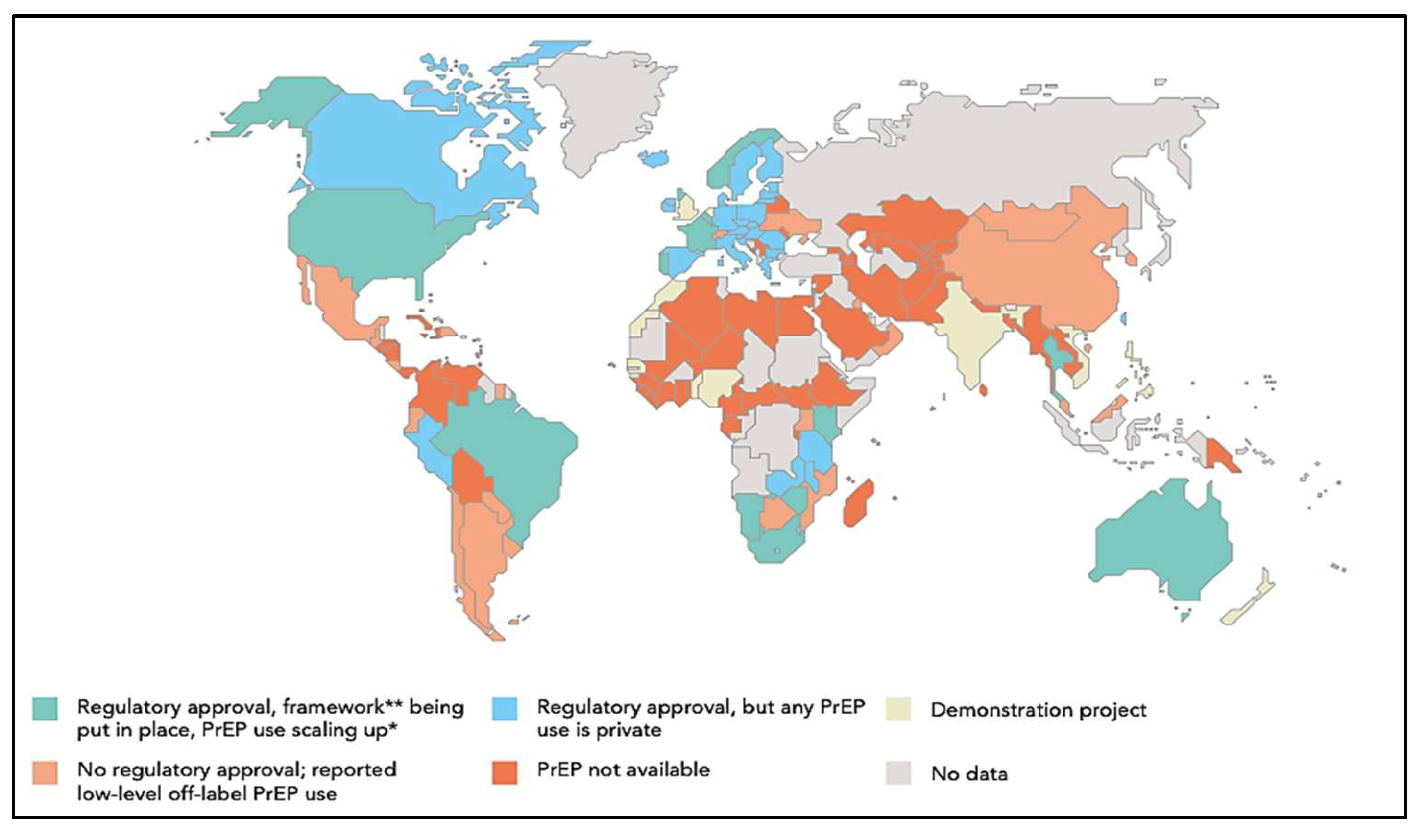
IJERPH | Free Full-Text | Voluntary Counseling and Testing ...
(Get Answer) - HIV and AIDS are different labels for the same disease ... Five cases of Pneumocystis carinii pneumonia (in Los Angeles, in 1981) signaled the beginning of the acquired immune deficiency syndrome (AIDS) epidemic caused by the human immunodeficiency virus (HIV). As the worldwide scope of the HIV/AIDS epidemic... Posted 11 months ago, Recent Questions in Software Engineering, Q: 1.

Could HIV/AIDS drugs lead to heart disease and stroke for the ...
Home Page: Journal of Allergy and Clinical Immunology Sep 13, 2022 · An official publication of the American Academy of Allergy, Asthma, and Immunology, The Journal of Allergy and Clinical Immunology brings timely clinical papers, instructive case reports, and detailed examinations of state-of-the-art equipment and techniques to clinical allergists, immunologists, dermatologists, internists, and other physicians concerned …
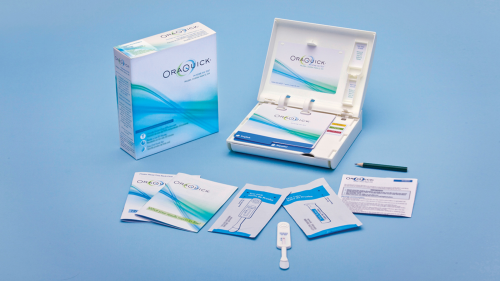
Facts About In-Home HIV Testing | FDA
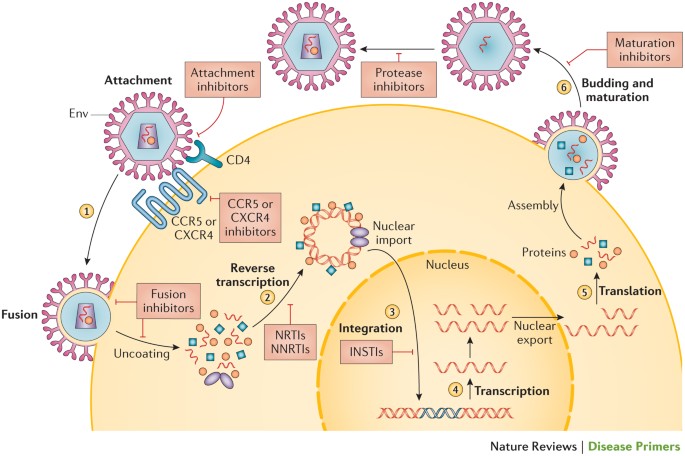
HIV infection | Nature Reviews Disease Primers

Treatment of advanced AIDS-associated Kaposi sarcoma in ...
Glossary of HIV/AIDS-Related Terms

HIV/AIDS, Hepatitis, Infectious Disease News | STD Treatment ...

HIV/AIDS

For HIV/AIDS Survivors, COVID-19 Reawakened Old Trauma | Time

Core Concepts - HIV in Infants and Children - Key Populations ...
FY 2022 NIH HIV/AIDS Professional Judgment Budget

They Know What A Pandemic Is': HIV Survivors See Similarities ...
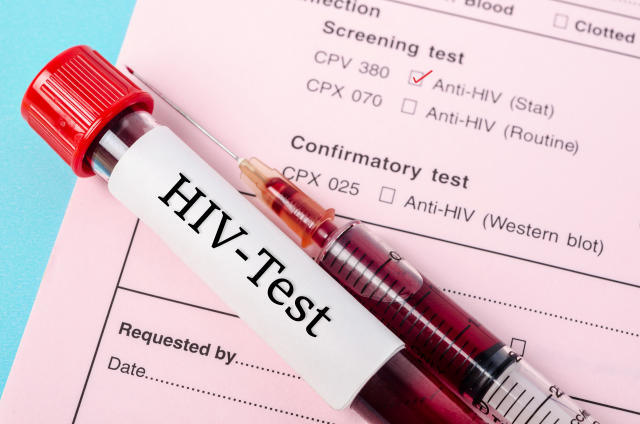
HIV: second patient 'cured'
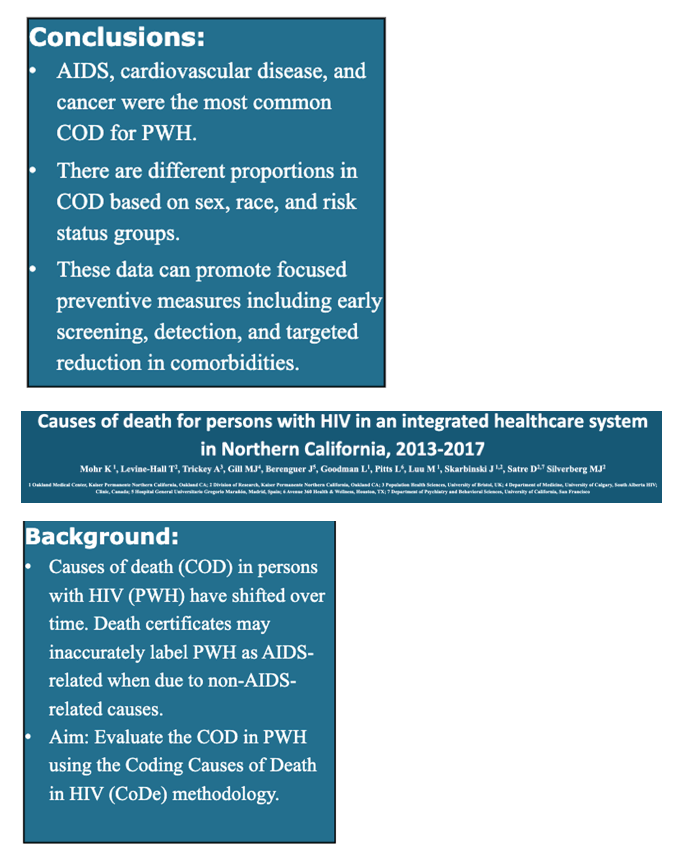
Causes of death for persons with HIV in an integrated ...

Psilocybin-assisted group therapy for demoralized older long ...
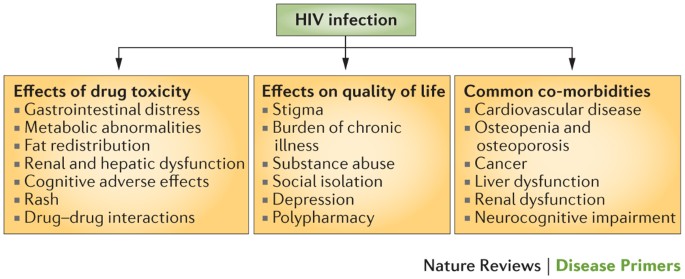
HIV infection | Nature Reviews Disease Primers
Glossary of HIV/AIDS-Related Terms
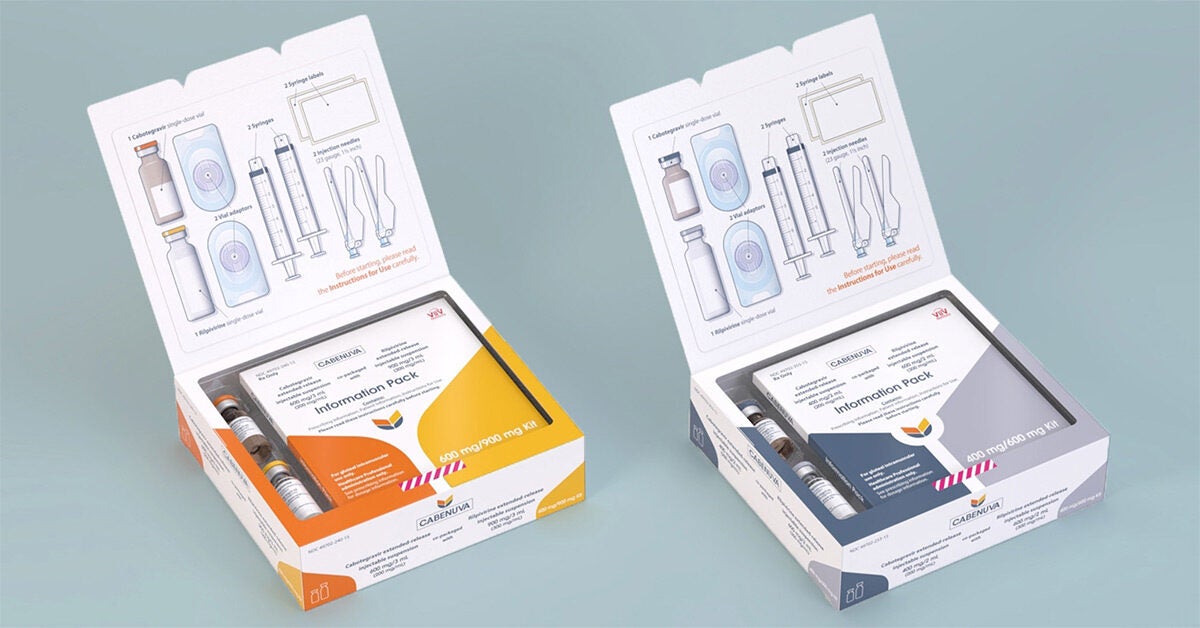
FDA Approves First Long-Lasting Injectable HIV Medication
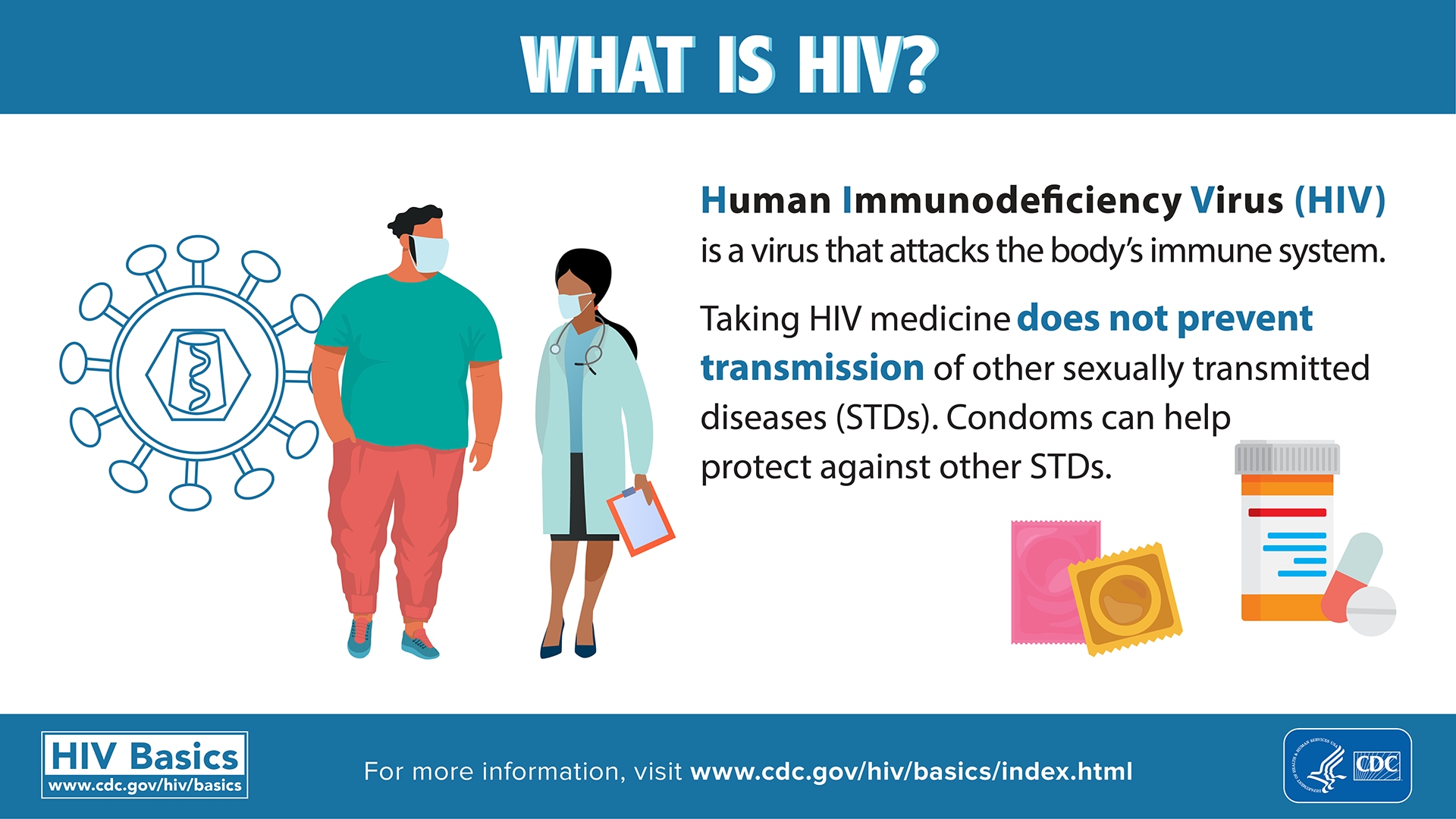
About HIV/AIDS | HIV Basics | HIV/AIDS | CDC
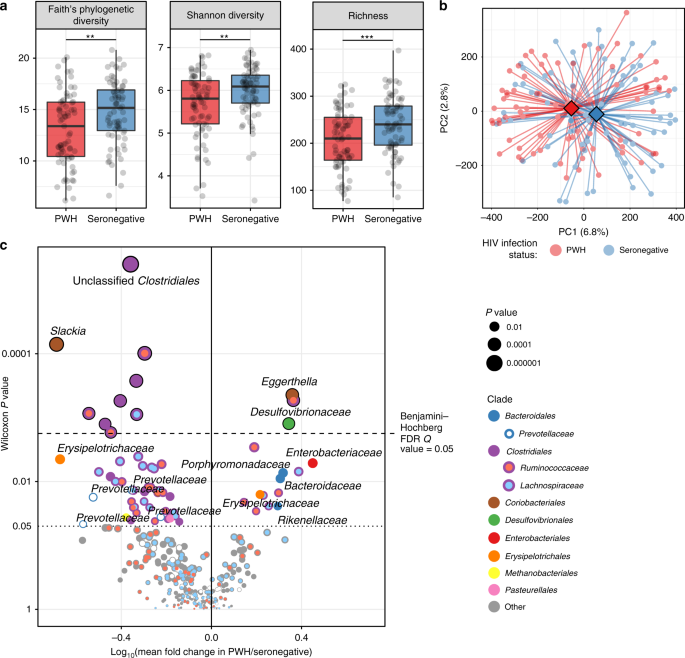
HIV-associated gut dysbiosis is independent of sexual ...

40 years ago, the first AIDS cases were reported in the US | CNN

PDF) The causes and consequences of labeling in patients with ...
Post a Comment for "42 hiv and aids are different labels for the same disease"