41 food labels country of origin
Geographical indications and quality schemes explained Non-European product names can also register as GIs if their country of origin has a bilateral or regional agreement with the EU that includes the mutual protection of such names. The names of various products (wine, food and spirit drinks) produced in several countries outside the EU, such as Colombia or South Africa, have been protected. Food labelling: country of origin - GOV.UK If poultry, sheep, goat or swine meat is taken from animals born, reared and slaughtered in the same country, you can label it as 'Origin: [name of the country] ...
Country of origin food labelling resources | business.gov.au May 21, 2021 · Imported priority foods must, as a minimum, carry a country of origin statement in a clearly defined box (the box is not required if the food is being sold unpackaged). Example of a country of origin statement in a clearly defined box below: The outline box is not required on imported non-priority food products.

Food labels country of origin
Country of origin claims | ACCC - Australian Competition and ... Most of the foods you buy need to display country of origin labels. Look out for these labels on food packages or in-store signage. Different labelling requirements apply depending on: whether the food is grown, produced, made or packed in Australia or another country; whether the food is a ‘priority’ or ‘non-priority’ food Country of Origin Labeling (COOL) | Agricultural Marketing ... Country of Origin Labeling (COOL) is a labeling law that requires retailers, such as full-line grocery stores, supermarkets and club warehouse stores, to notify their customers with information regarding the source of certain foods. Country of Origin Labeling (COOL) Frequently Asked Questions Country of Origin Labeling (COOL) is a consumer labeling law that requires retailers (most grocery stores and supermarkets) to identify the country of ...
Food labels country of origin. Mandatory country-of-origin labeling (US) - Wikipedia Country of origin labeling (COOL) is a requirement signed into American law under Title X of the Farm Security and Rural Investment Act of 2002 codified at 7 ... Country of origin labelling | Department of Industry, Science and ... Country of origin labels for food (including seafood) and complementary medicines help consumers make informed buying decisions. Find business tools and ... Country of origin labelling online tool | business.gov.au May 21, 2021 · The tool only generates standard mark labels. It doesn’t generate country of origin statements (without the outline box) but it does show you how to create your own origin statement. If the tool recommends no label, it means the food product does not require a standard mark or a country of origin statement. Prepare to use the online tool Food Ingredients & Food Science - Additives, Flavours, Starch Daily news on food ingredients, flavours, starch and food additives. Free access to news on food science in Europe.
Country of origin labelling - Food Standards Feb 12, 2022 ... The Australian Government introduced a country of origin food labelling system under Australian Consumer Law on 1 July 2016. Country of origin food labelling - Business.gov.au May 21, 2021 ... The standard mark is a requirement under the Information Standard. · A country of origin statement is text only that identifies the product's ... Origin labelling - Language selection | Food Safety Article 26(3) of Regulation (EU) No 1169/2011 requires that where the origin of a food is given and is different from the one of its primary ingredient, the ... Country of origin labelling - Food labelling e-learning course The 'place of provenance' is any place where a food is indicated to come from that is not the 'country of origin'. The FIC makes it clear that the legally ...
San Francisco Restaurant Reviews, Recipes, Wine & Spirits ... Find food and wine reviews and news on San Francisco restaurants, recipes, cooking, chefs, cocktails and bars — SFGate Country of origin food labelling | ACCC Country of origin statement – a text-only label which is used for non-priority food items. Imported priority foods must also, as a minimum, carry a country of ... Country of origin on food labels - Canadian Food Inspection Agency Jul 19, 2022 ... Generally, for the above foods, the words "Product of [Name the country of origin]" must appear on the label. For example, prepackaged cheese ... Country of Origin Labeling (COOL) Frequently Asked Questions Country of Origin Labeling (COOL) is a consumer labeling law that requires retailers (most grocery stores and supermarkets) to identify the country of ...
Origin Labeling Requirements for Imported Commodities Passed
Country of Origin Labeling (COOL) | Agricultural Marketing ... Country of Origin Labeling (COOL) is a labeling law that requires retailers, such as full-line grocery stores, supermarkets and club warehouse stores, to notify their customers with information regarding the source of certain foods.

Food Labeling: FDA Protections and Country-of-Origin Labels (Food Science and Technology: Government Procedures and Operations)
Country of origin claims | ACCC - Australian Competition and ... Most of the foods you buy need to display country of origin labels. Look out for these labels on food packages or in-store signage. Different labelling requirements apply depending on: whether the food is grown, produced, made or packed in Australia or another country; whether the food is a ‘priority’ or ‘non-priority’ food
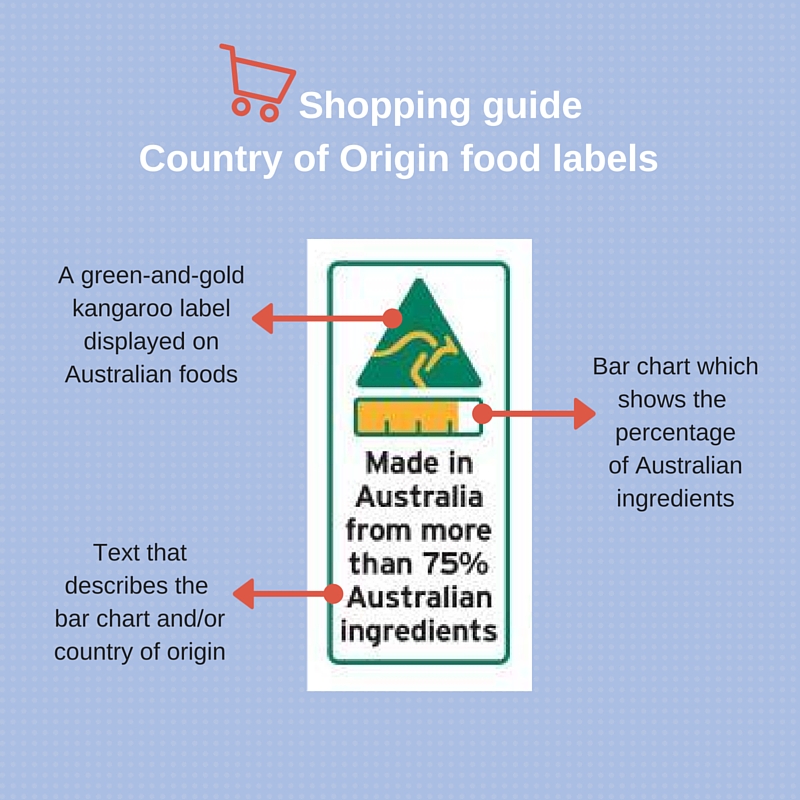
Country of Origin' food labelling - Healthy Kids
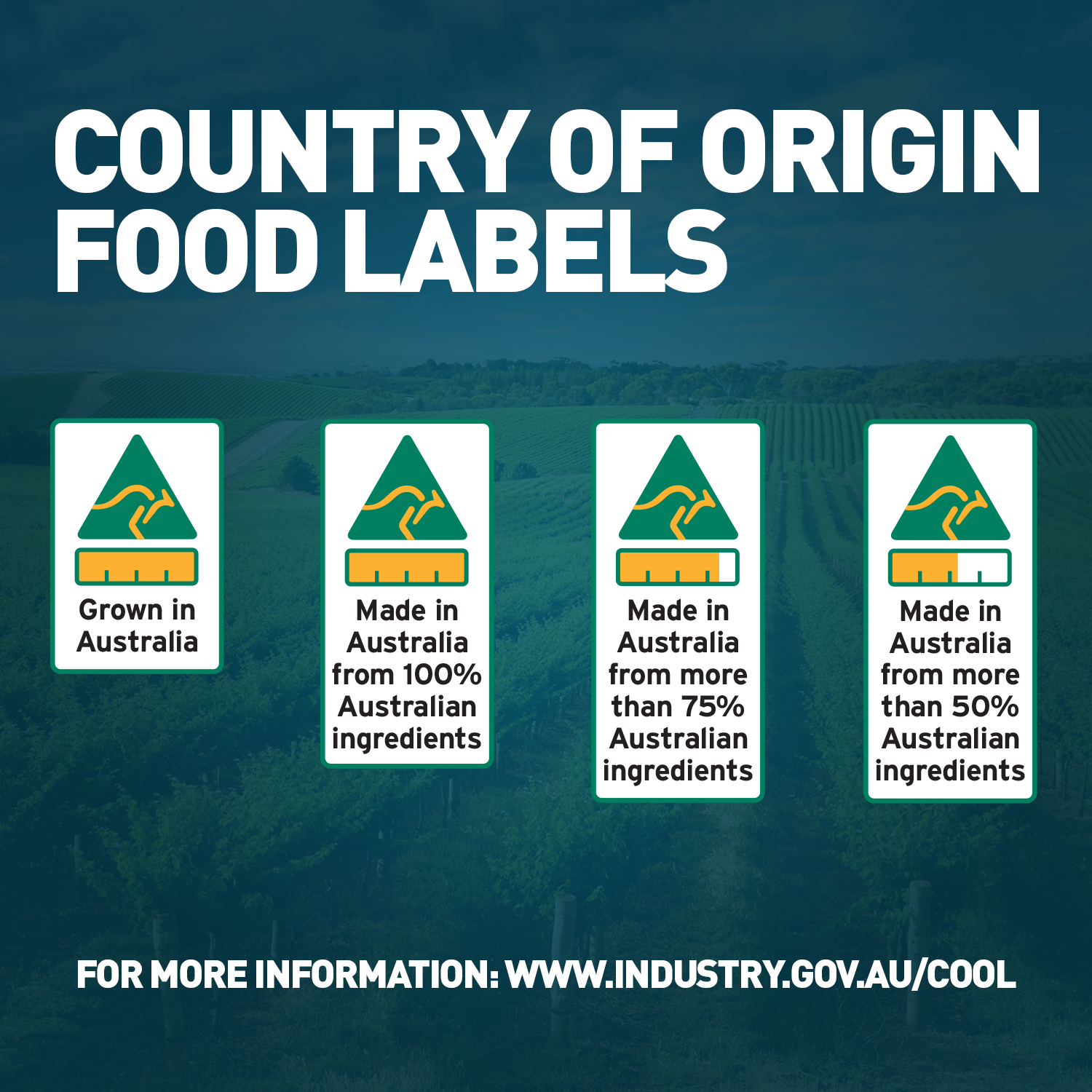
New country of origin food labels | Michael Sukkar MP

Matters of Taste: What nationality is that nut anyway?
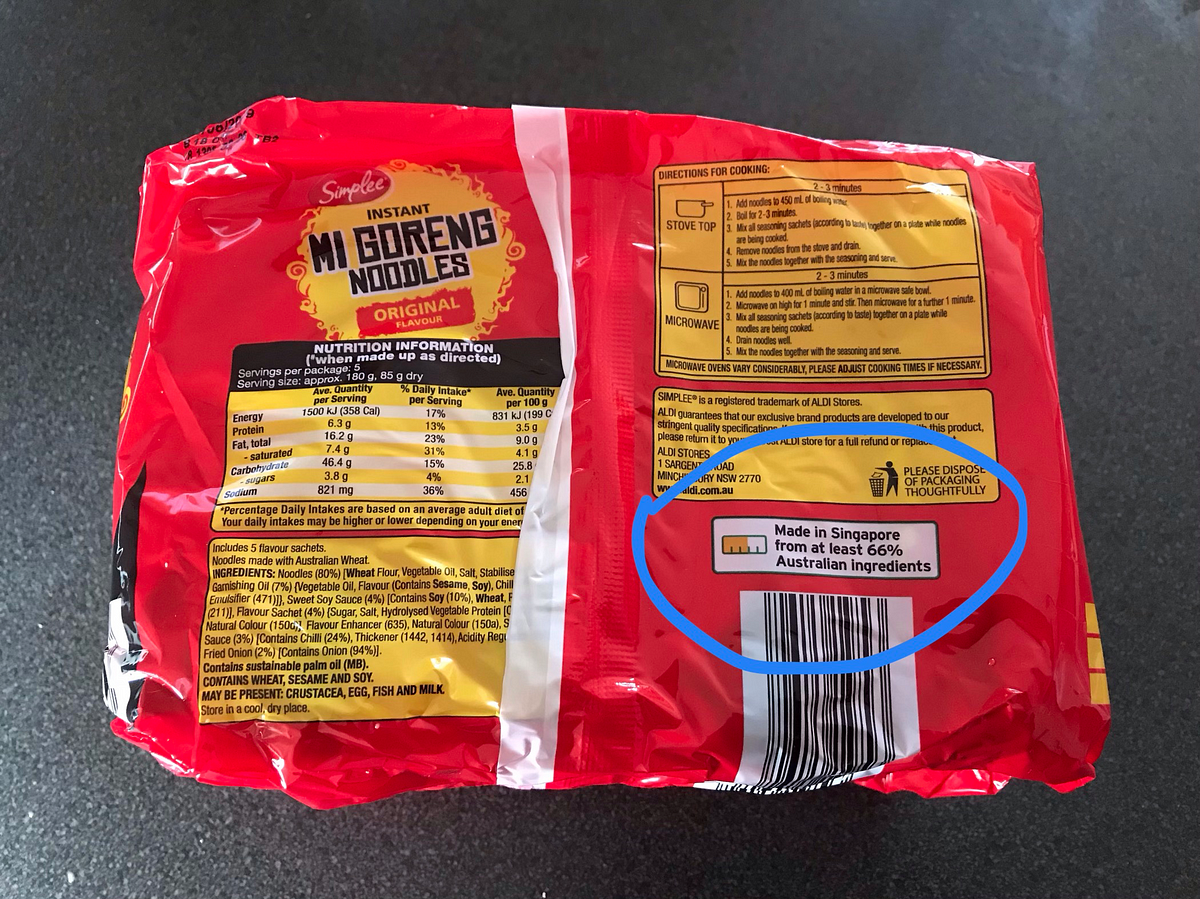
What to optimise for with the new Country of Origin Labelling ...
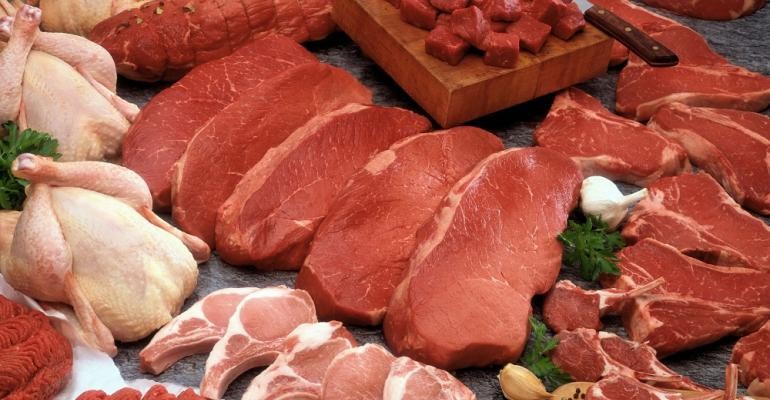
Country of Origin Labelling Requirements on Foods that are ...

Should food labels state country of origin? ==> http://www ...
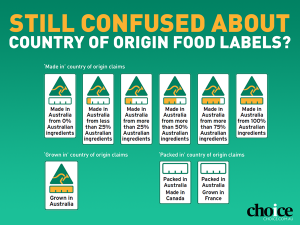
Country of Origin Food Labelling - how it affects you - Emrich
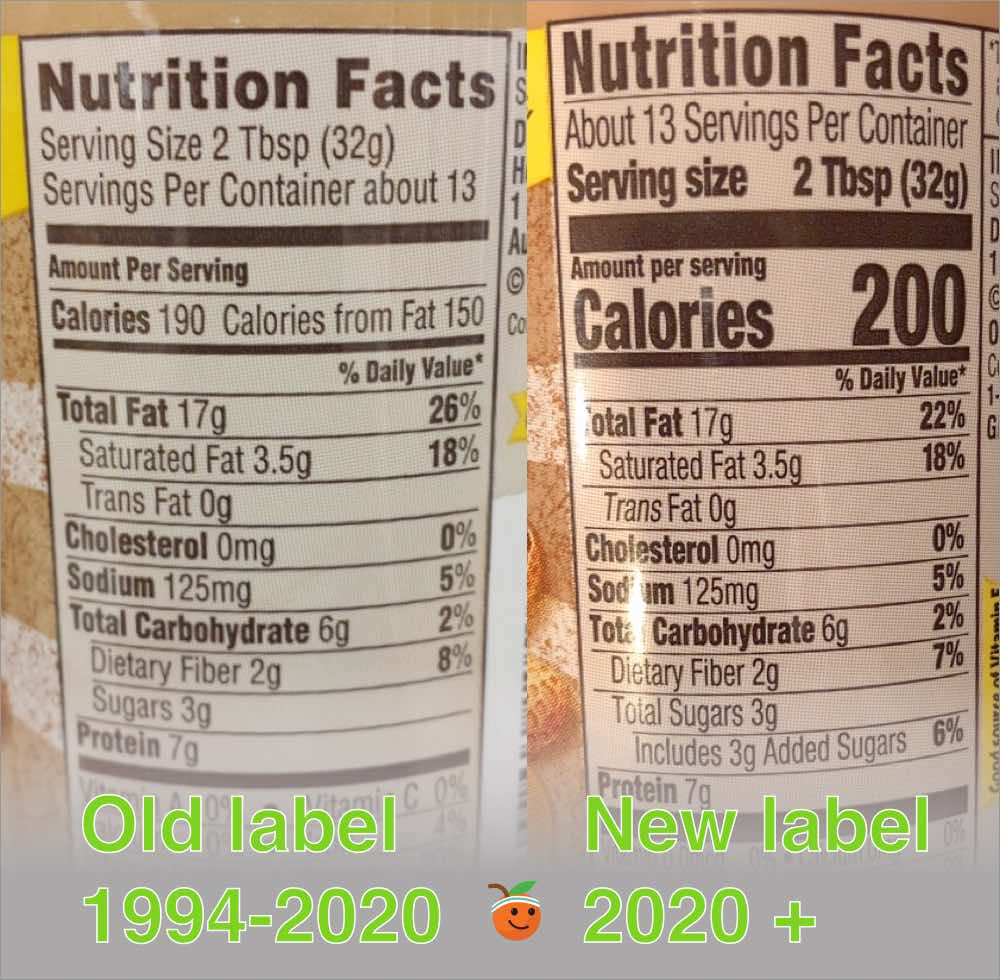
1862 - 2020: A Brief History of Food and Nutrition Labeling ...

Wrapped in the Flag: Food Choice and Country of Origin ...

43 Country Of Origin Label Photos and Premium High Res ...
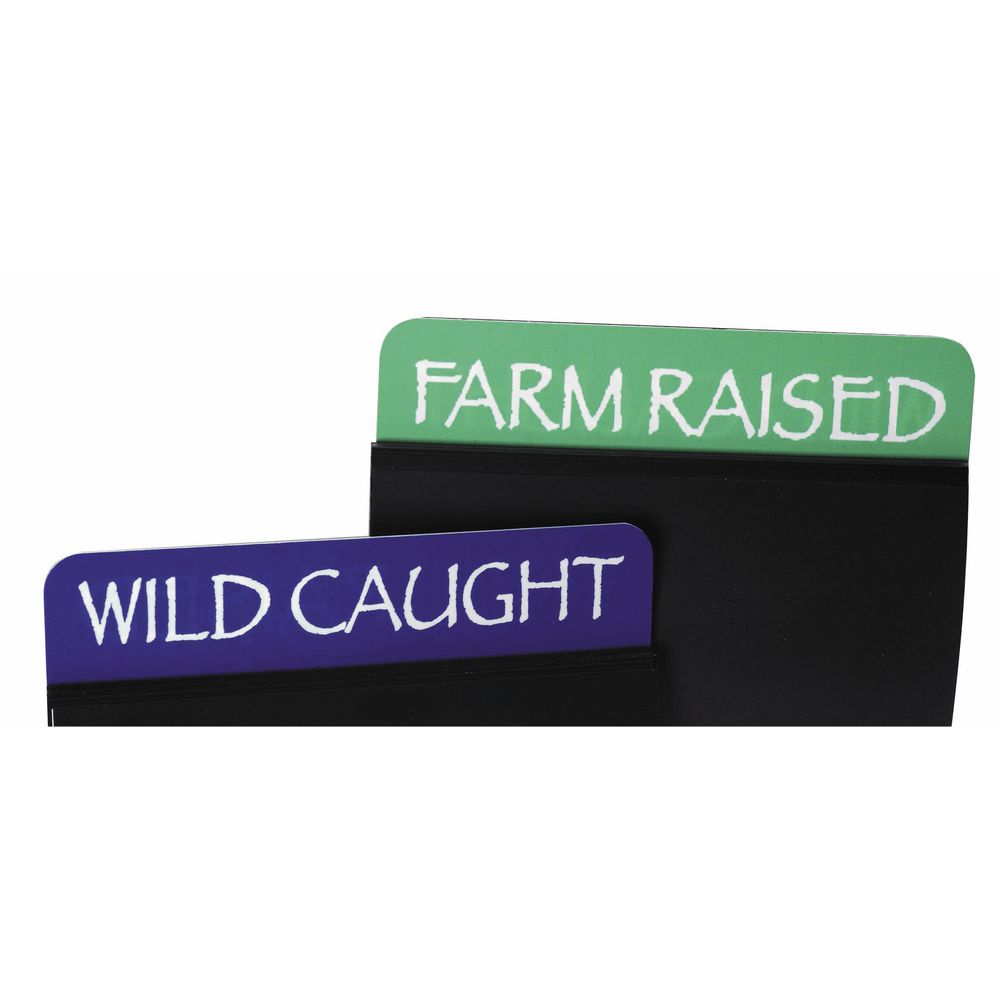
Blue Vinyl Country of Origin COOL Food Label Toppers For Channel Tags - 4"L x 1 1/4"H

Country of origin labels coming to the grocery store | MPR News
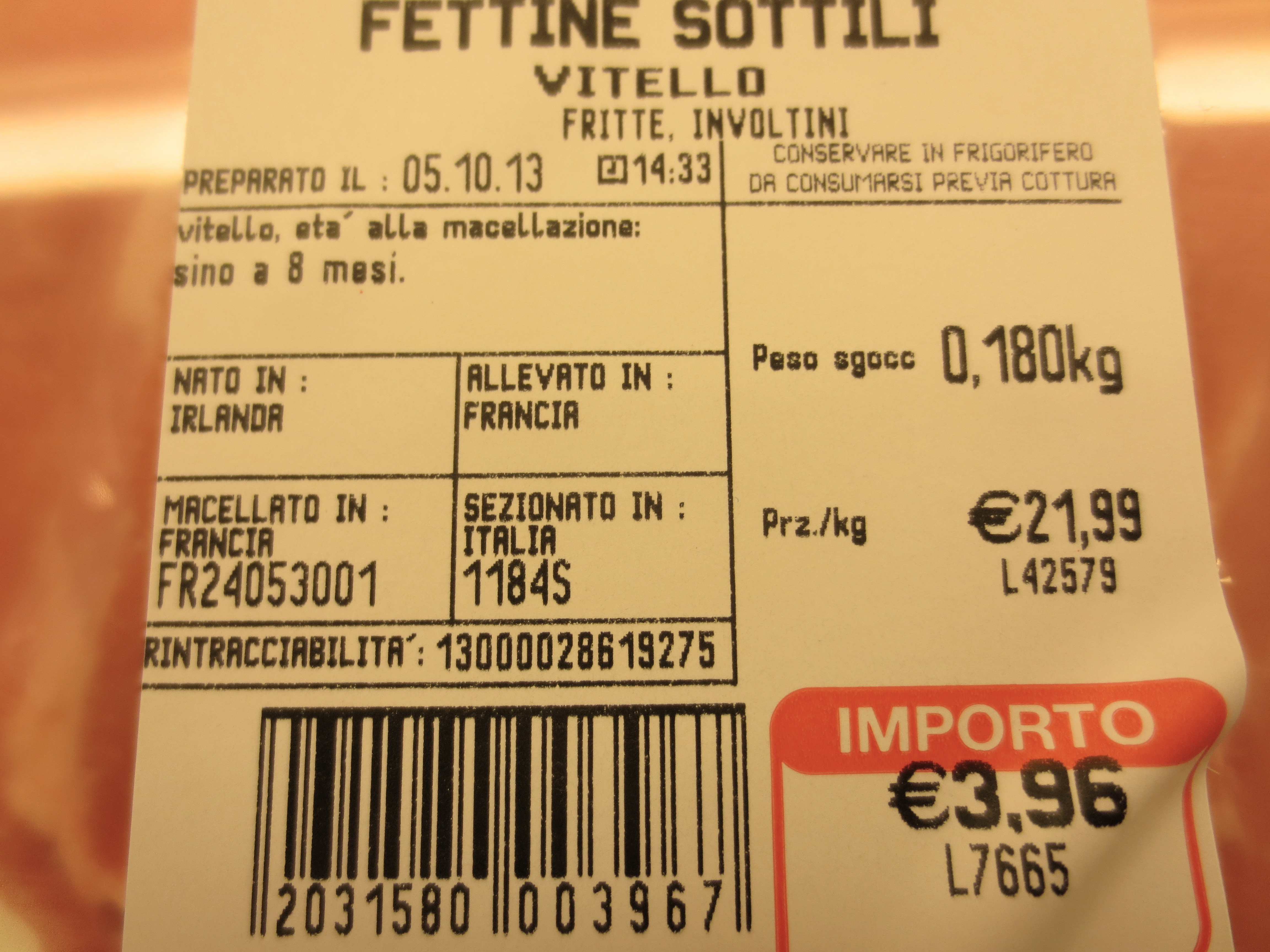
Country of Origin Labeling in Europe - Meat Science
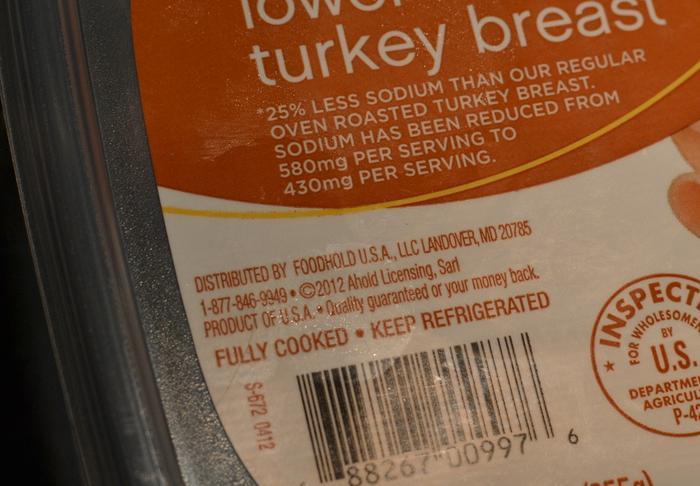
Congress may repeal country-of-origin food labeling law
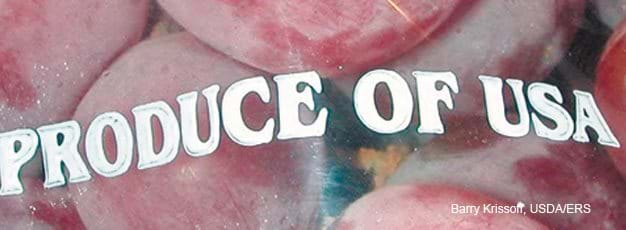
USDA ERS - Mandatory Country-of-Origin Labeling: Will It ...

Country of Origin - Tastebuddies
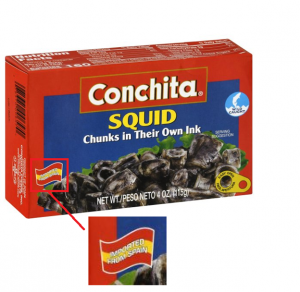
Food Labeling Requirements for FDA Compliant Label Design
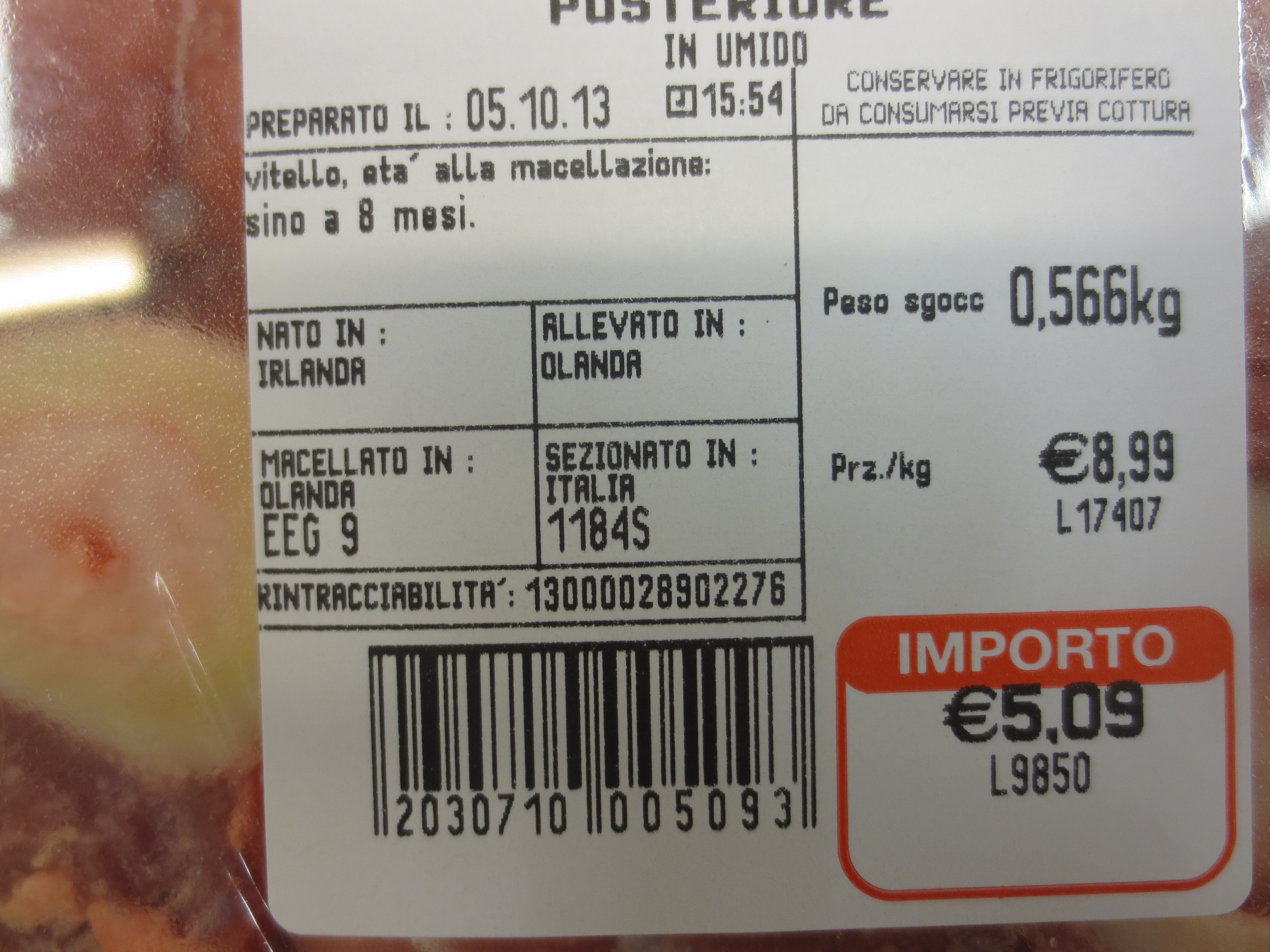
Meat label, born in Ireland - Meat Science

Country of Origin Requirements in the United States: An Overview
Country-of-origin labelling - Healthy Food Guide
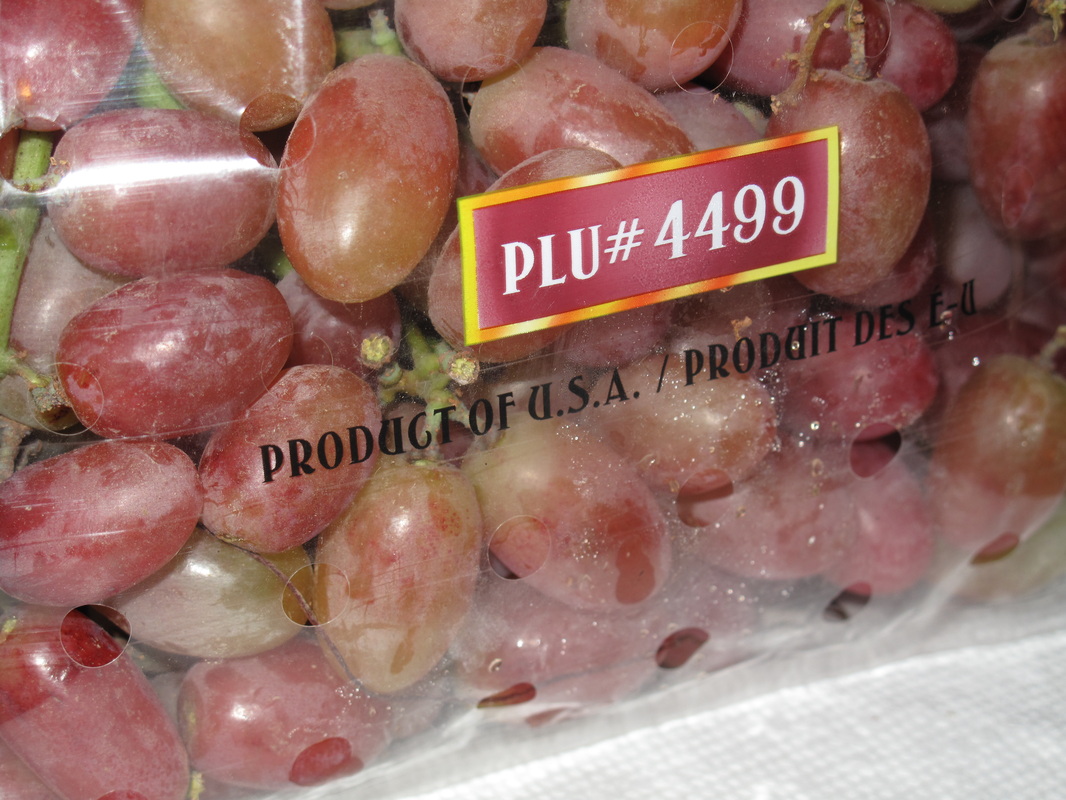
GoingTrueGreen's Blog Postings - Going True Green
Country of Origin Food Labeling | 2018-06-20 | BRANDPACKAGING ...
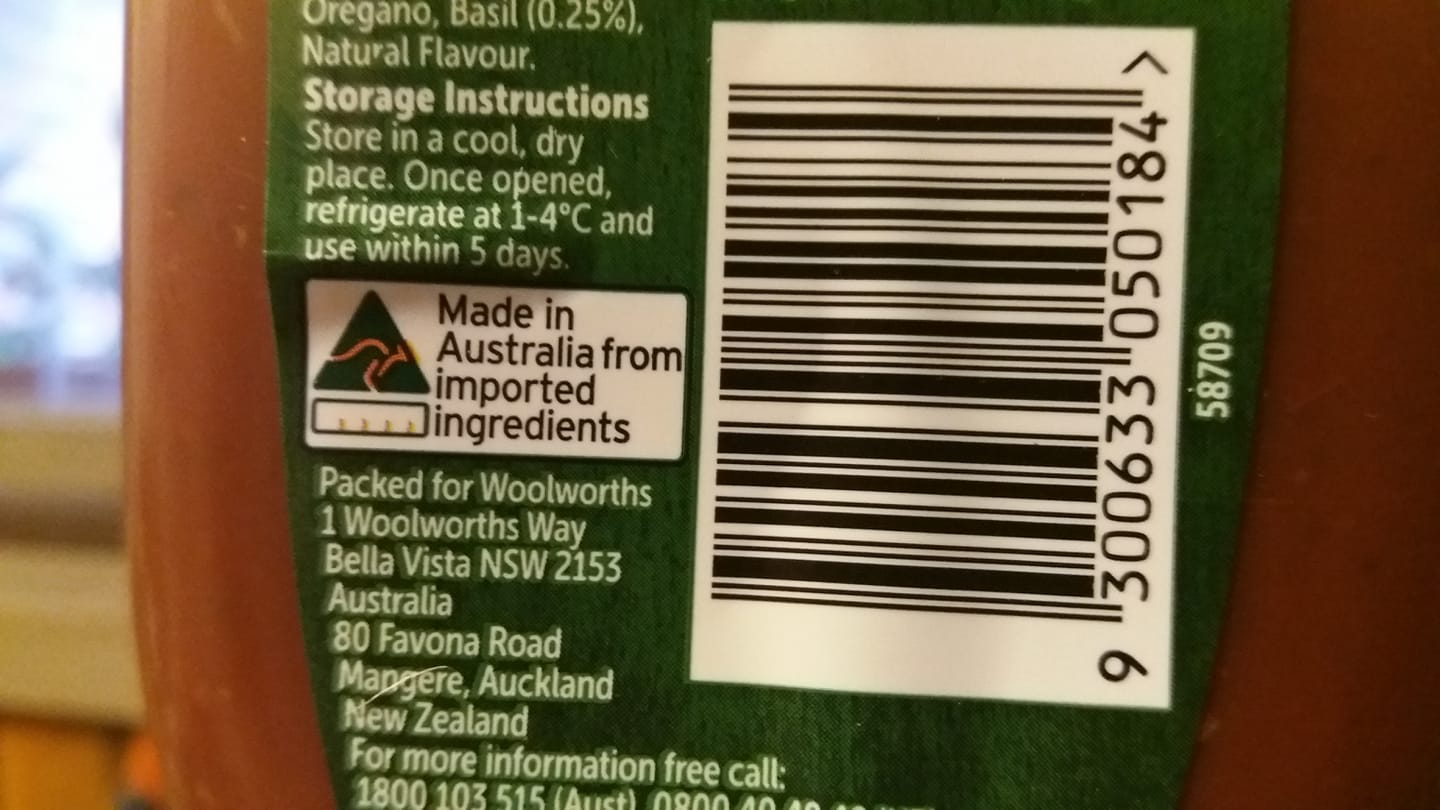
Product country of origin and deceptive labelling - Shopping ...
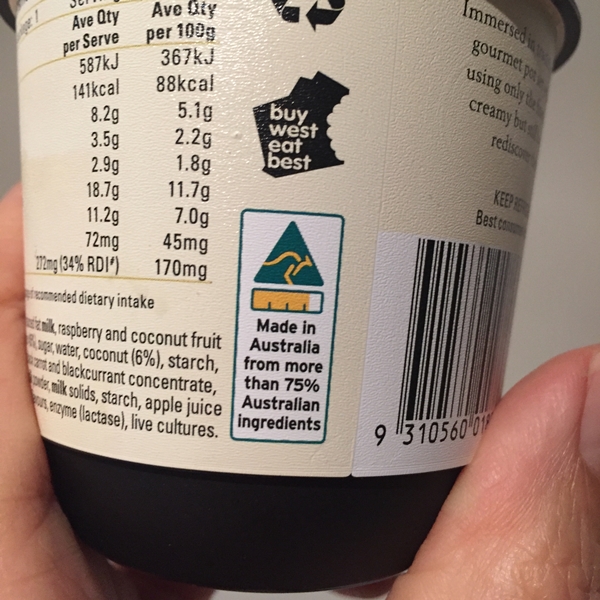
10 things that MUST be on a food label - Catherine Saxelby's ...

The case for country of origin labelling: Food quality ...
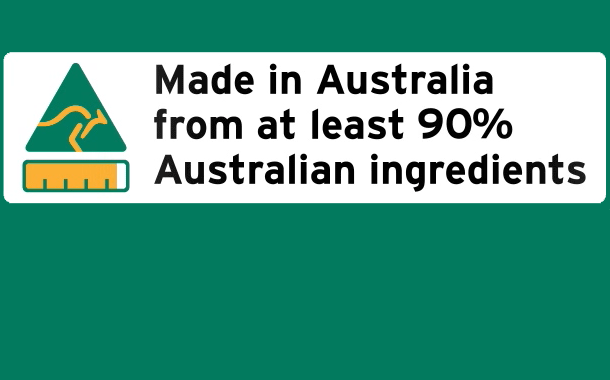
Australia launches new country of origin food labelling ...

Around the world in numerous food labeling ways
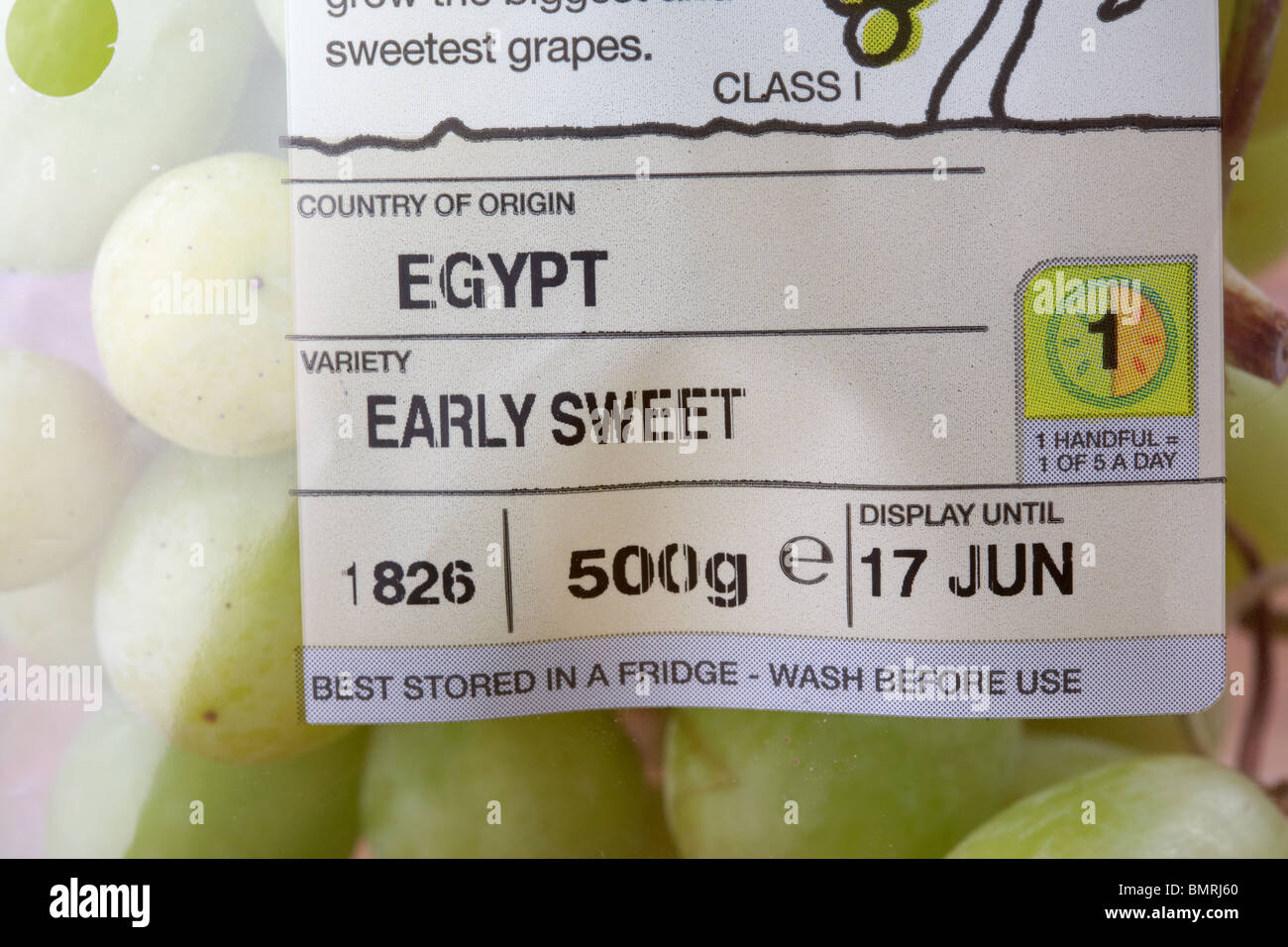
Food packet labeling hi-res stock photography and images - Alamy

Say goodbye to 'country of origin' labels on red meat
Country of Origin Food Labeling | Jenn David Design
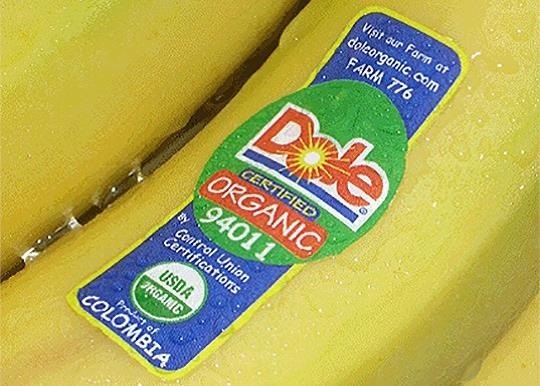
Decoding Produce Stickers: The Hidden Meaning Behind Fruit ...
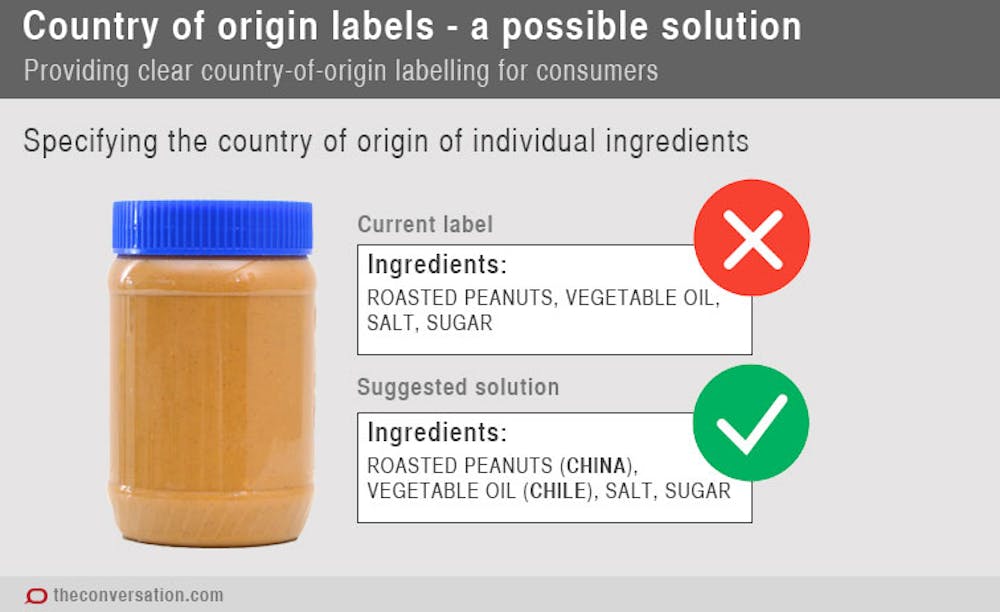
Government's proposed country-of-origin labels leave you to ...

WA Grower Winter 16 by vegetablesWA - Issuu
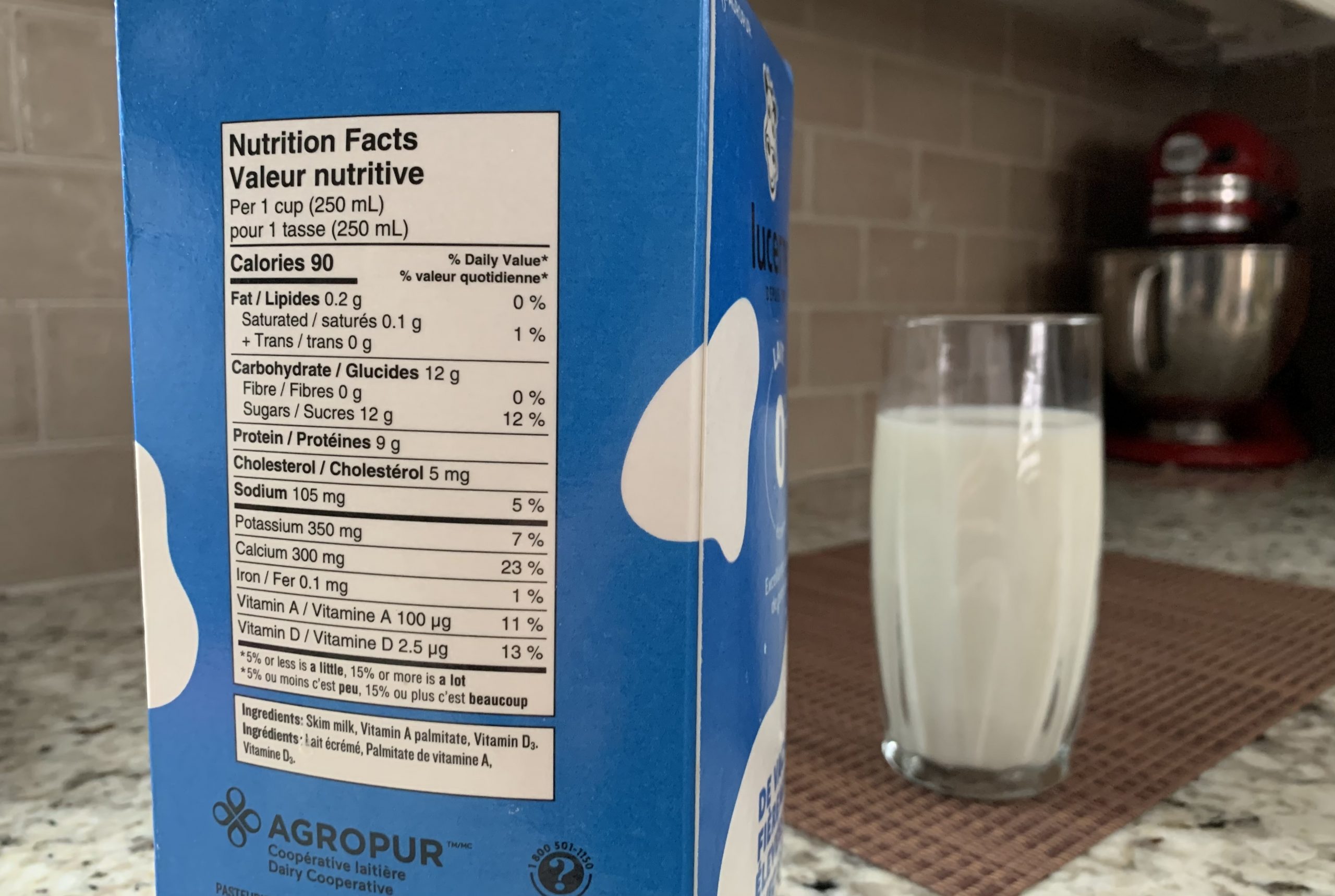
Understanding Food Labels - Home & Family
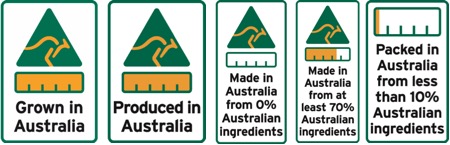
Country of Origin Food Labels - Catherine Saxelby's Foodwatch
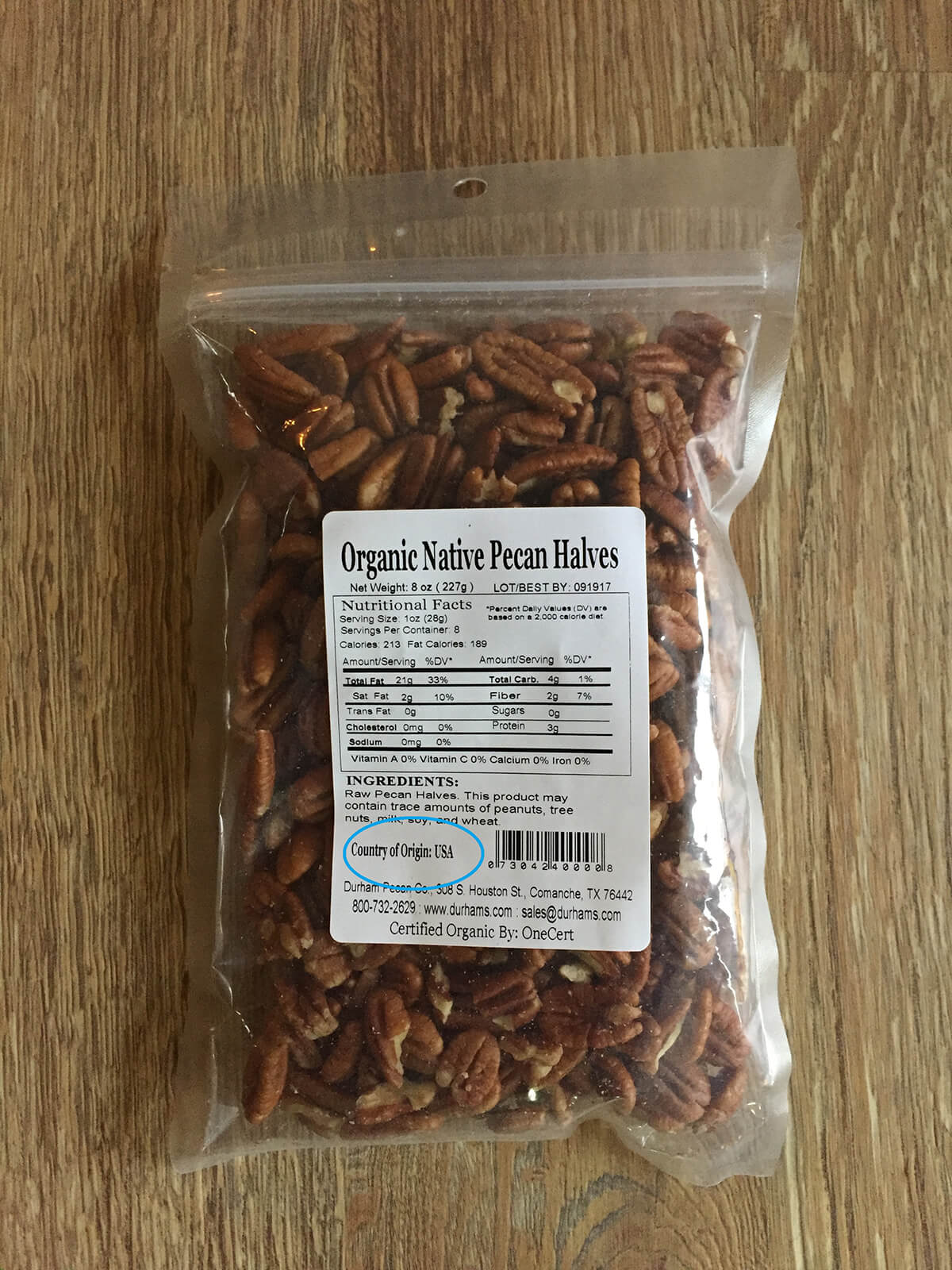
Demystify Food Labels – RecycleNation

Food fraud vulnerability': Are Australia's country-of-origin ...

WTO rules against U.S. country-of-origin label - The ...
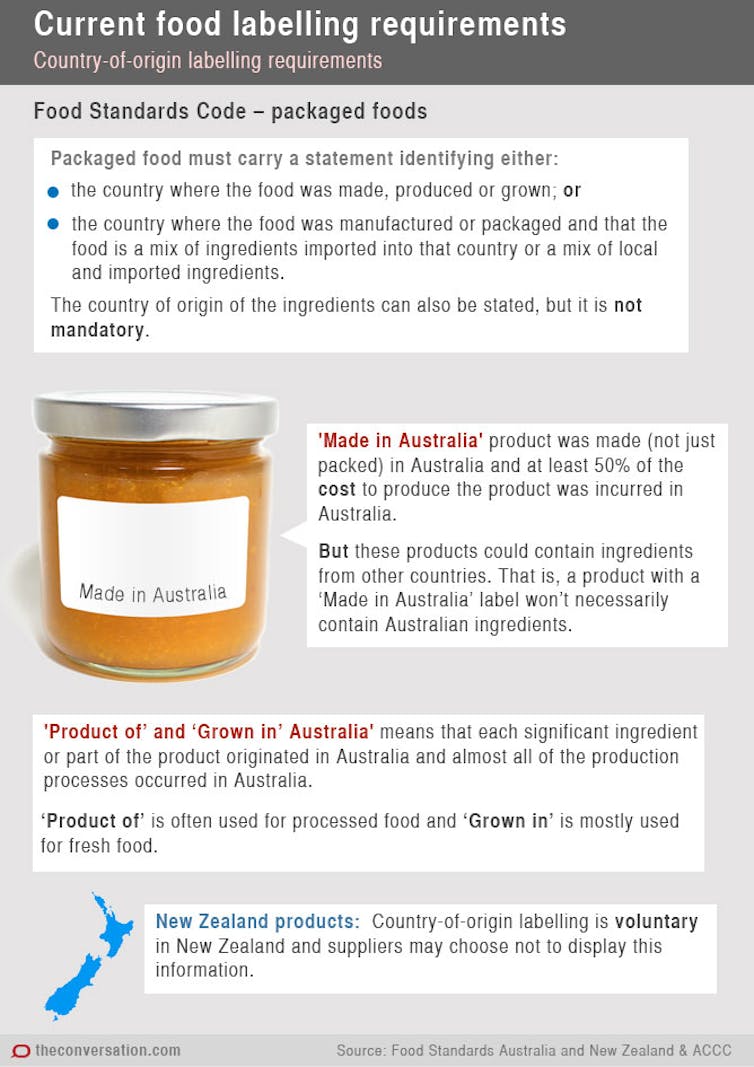
For safety's sake, make food labels say what companies ...
Post a Comment for "41 food labels country of origin"