41 why do we need to read food nutrition labels
Why it is important to read and understand food labels The food label will provide information on what you are putting into your body by reading the ingredients and how much you are eating by reading the nutrition facts. For most people with diabetes it is ideal to maintain a healthy weight. In order to do this, we must understand what nutrients we are putting in our meals. How to Read Food Labels Without Being Tricked - Healthline Nutrition labels state how many calories and nutrients are in a standard amount of the product — often a suggested single serving. However, these serving sizes are frequently much smaller than what...
The Importance of Food Labels | Requirements for Packaging Importance of Food Labels Food labels are a legal requirement and they are important for many reasons. They help consumers make informed choices about the food they buy, help them to store and use it safely and allows people to plan when they will consume it - all of which help to reduce food wastage.
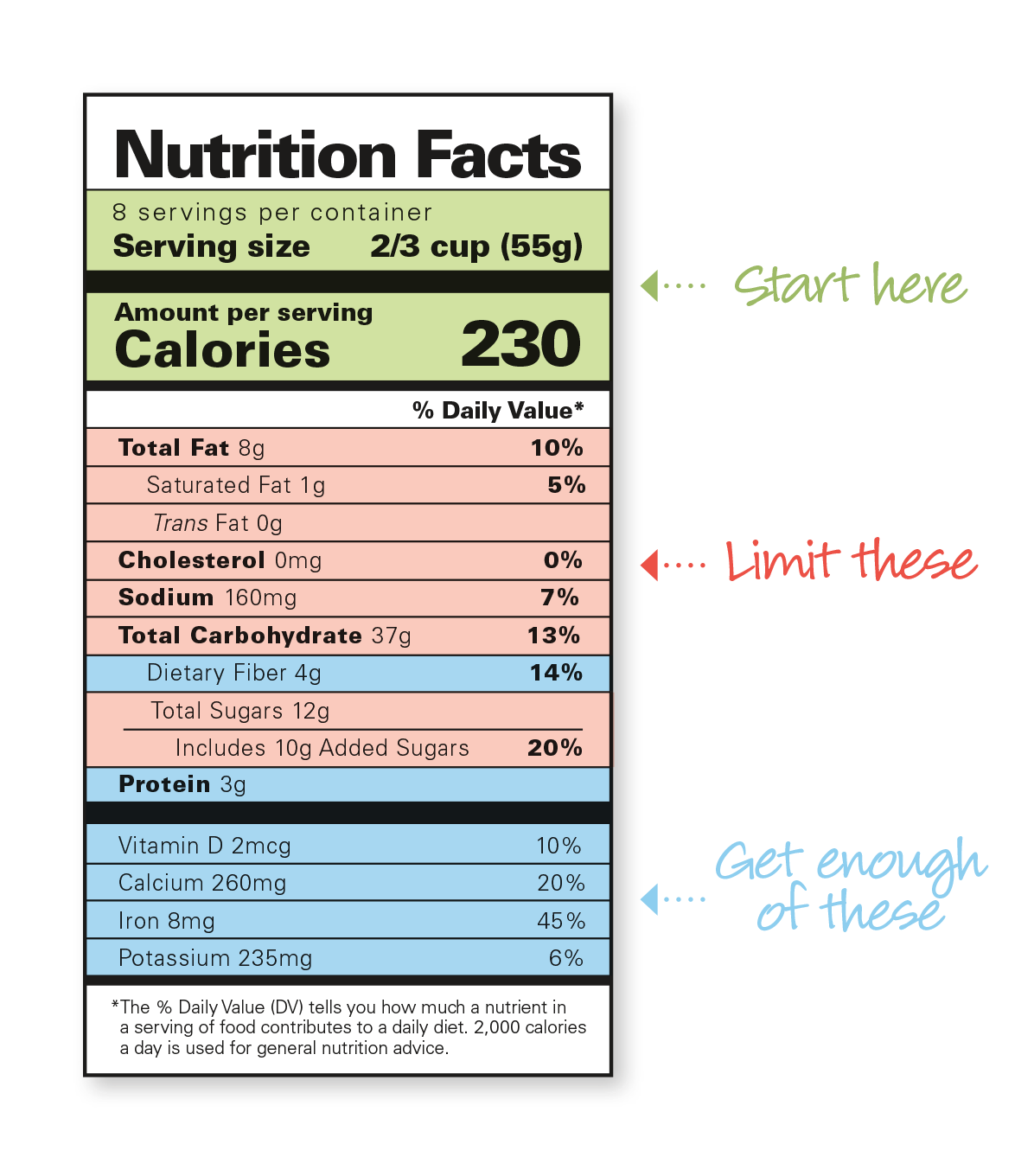
Why do we need to read food nutrition labels
Learn How the Nutrition Facts Label Can Help You Improve Your Health That means if you consume 2,000 calories in a day, added sugars should account for no more than 200 calories. Read the Nutrition Facts labels on your packaged food and drinks to keep track of sugars, fats, protein, and other nutrients. Most sodium we consume is from salt, and salt is commonly in processed foods. How To Read Food and Beverage Labels - National Institute on Aging The % DV information is not calculated with the unique needs of older adults in mind. Read the nutrition label as a whole to determine how a particular food or drink fits into your healthy eating pattern. Is lower % DV always healthier? If a food has 5% DV or less of a nutrient per serving, it is considered low in that nutrient. If it has 20% DV or more of a nutrient per serving, it is considered high in that nutrient. The Importance of Food Labelling | Eufic Ensuring food safety is a shared responsibility between governments, producers, industry and consumers. Food labelling is one way in which consumers can get knowledge about the food they consider buying. Correctly following the information provided on food labels (such as expiry dates, handling instructions and allergy warnings) can help ...
Why do we need to read food nutrition labels. What Is the Purpose of Nutrition Labels? | Healthy Eating | SF Gate The purpose of nutrition labeling now is to provide the information you need to make healthy choices about the foods you eat. It's designed to provide facts for nutrients that impact common health... Understanding Ingredients on Food Labels - American Heart Association There are many terms used for sugar on food labels. You might see sugar listed as the fourth ingredient in a product and think it's not so bad. But sugar can also be listed as high-fructose corn syrup or corn syrup, agave nectar, barley malt syrup or dehydrated cane juice, to name just a few. Read more about sugar and sweeteners. Labelling - Food Standards The Food Standards Code includes the general labelling and information requirements (Chapter 1 of the Code) that are relevant to all foods, and sets out which requirements apply in different situations (for example food for retail sale, food for catering purposes, or an intra-company transfer). The Importance of Food Labels - The Joint The Food and Drug Administration along with many other governmental and non-governmental organizations seem to approach nutrition quite flippantly, with significant adjustments to acceptable amounts of some ingredients into the foods that we eat. A newer approach to food labeling is the misleading nature of food labels.
Food Labels: Fat & Cholesterol | Home & Garden Information Center The Nutrition Facts label shows you how much fat is in a product, even if the fat is hidden as an ingredient. The serving size and the nutrients listed on this label are consistent, which makes it easy to compare similar products without any calculations. % Daily Values (% DVs) are listed in a column on the "Nutrition Facts" label. Why You Should Always Read Food Labels Before Buying Them - mfine It is important to know where your food comes from and what it contains. The labels on packaged foods give you all the information on nutrition contents that the foods have, which also makes it easier for you to compare between different brands before you buy them. Additionally, there are some really amazing benefits of reading food labels: How to read food labels | healthdirect In Australia, the law requires all manufactured foods to carry labels containing safety and nutrition information. This information helps you to make decisions about the food you buy and eat so you can follow a healthy diet. The label will tell you: the name of the product, describing accurately what it is the brand name Who Reads the Nutrition Facts Food Labels? - School of Public Health "We wanted to understand which young adults used nutrition labels, what parts of the label they read, and how label use was related to food intake. These questions are important for understanding how to better support young adults in making food choices, and how to meet consumer preferences in terms of label content," said Dr. Christoph.
Food labelling - Food and nutrition | NHS inform Nutrition labels must display the amount of energy (calories and kilojoules) and the amount of fat, saturated fat, carbohydrates, sugars, proteins and salt (all expressed in grams) present in 100g (or 100 ml) of the food. In addition to the mandatory requirements above, nutrition information may also be expressed per portion provided the number ... Six reasons why food labelling is important Countries must abide by these standards when labelling food, especially those that will be sold on the global market. Here are six reasons why food labelling is important: 1. Keep healthy - Labels help you to understand the composition of your food: its vitamins, minerals, calories, fats, etc. This information is fundamental in ensuring that you are eating the kinds of food that are good for you. Food labels & nutritional information | Raising Children Network The nutritional information on food labels helps you work out how healthy a food is. But keep in mind that some of the healthiest foods can be unlabelled - fresh fruit and vegetables, wholegrain breads, nuts, lentils, beans, fresh lean meats and fish. Ingredients on food labels In Australia, food manufacturers must be truthful on their food labels. How to understand food labels | Eat For Health Sometimes labels will include nutrition content claims like 'low fat', 'reduced salt' or 'high fibre'. These claims can only be used if the food meets certain criteria. For example, with a 'good source of calcium' claim, the food must contain more than a set amount of calcium. While nutrition content claims can generally guide ...
How to read Nutrition Facts labels and shop smarter ...
Nutrition information panels - Food Standards Nutrition information panels (NIP) on food labels provide information on the average quantity of energy in kilojoules or in kilojoules and kilocalories and these nutrients: protein; fat; saturated fat; carbohydrate; sugars; sodium - a component of salt. A NIP will include information about other nutrients if a claim is made.
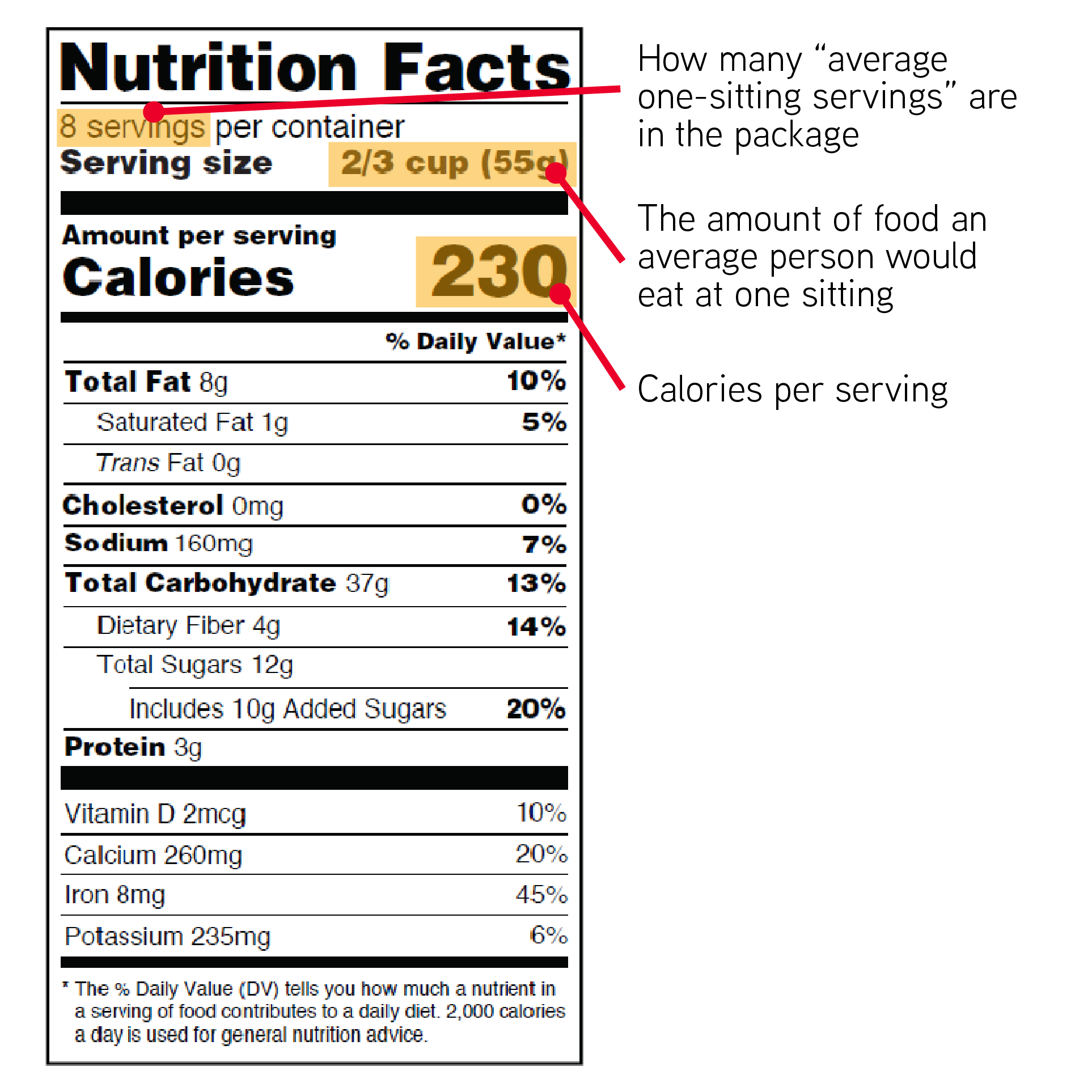
How to Read Nutrition Labels
Food Labeling & Nutrition | FDA Food labeling is required for most prepared foods, such as breads, cereals, canned and frozen foods, snacks, desserts, drinks, etc. Nutrition labeling for raw produce (fruits and vegetables) and...

7 Things You Should Always Check On A Nutrition Label—Other ...
The Importance of Reading the Food Label and Nutritional Facts The Importance of Reading Food Labels This information does two things: The Basics of Reading a Nutrition Label 1. Serving Size 2. Calories per Serving 3. Percent Daily Values 4. Nutrient Contents 5. Vitamins & Minerals 6. Ingredient List Putting it All Together Reading food labels makes a big difference when it comes to your family's health.
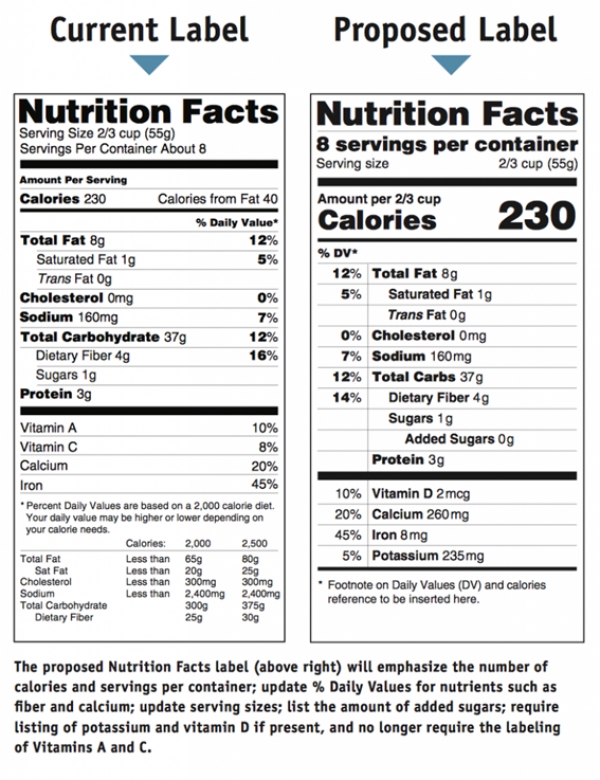
Why Your Students Must Understand How to Read Food Labels
How to Understand and Use the Nutrition Facts Label | FDA - U.S. Food ... It's important to realize that all the nutrient amounts shown on the label, including the number of calories, refer to the size of the serving. Pay attention to the serving size, especially how...
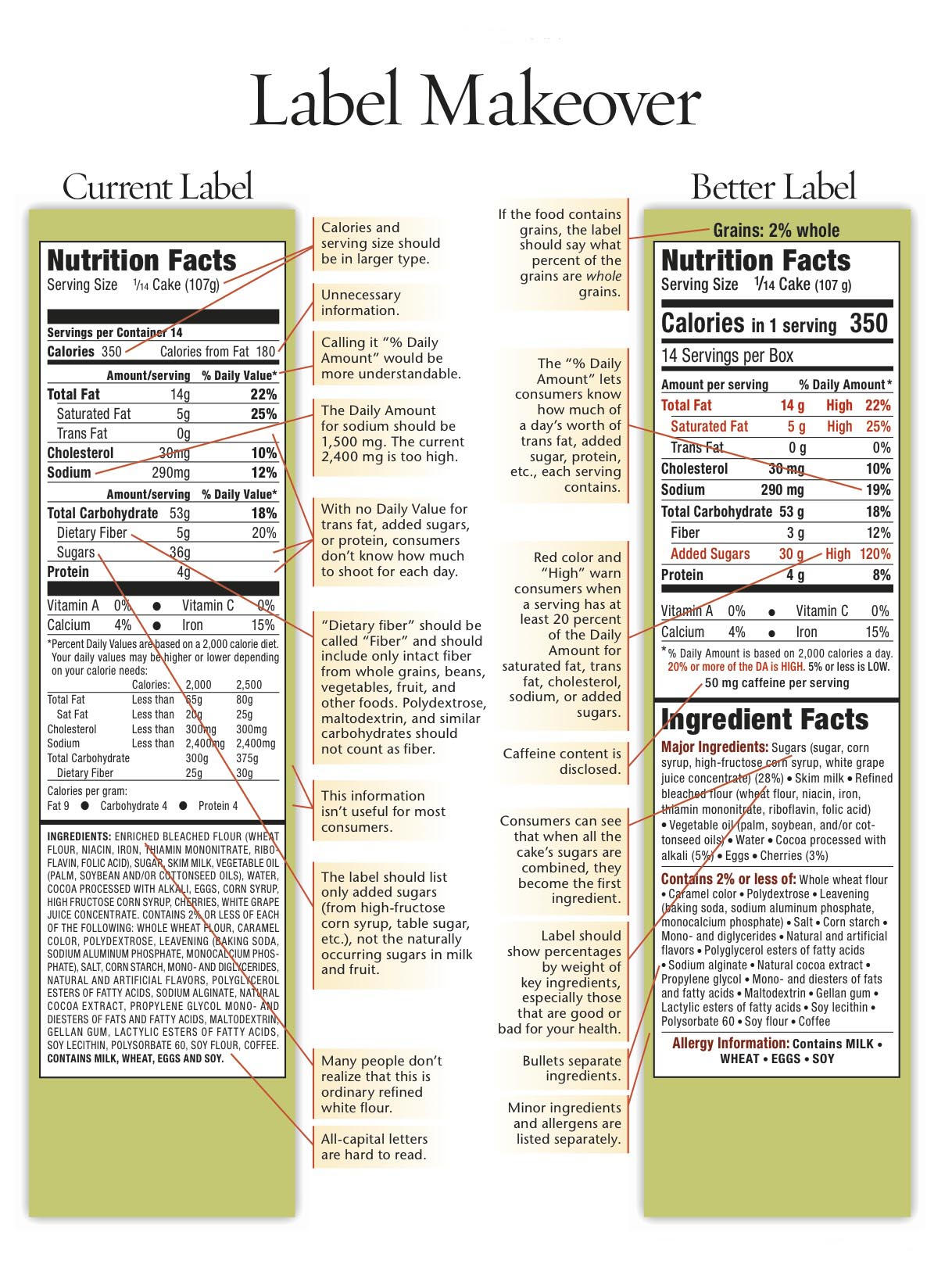
Do You Think Nutrition Labels on Food Are Confusing? - Farm ...
Food labels - NHS Food labels Nutrition labels can help you choose between products and keep a check on the amount of foods you're eating that are high in fat, salt and added sugars. Most pre-packed foods have a nutrition label on the back or side of the packaging.
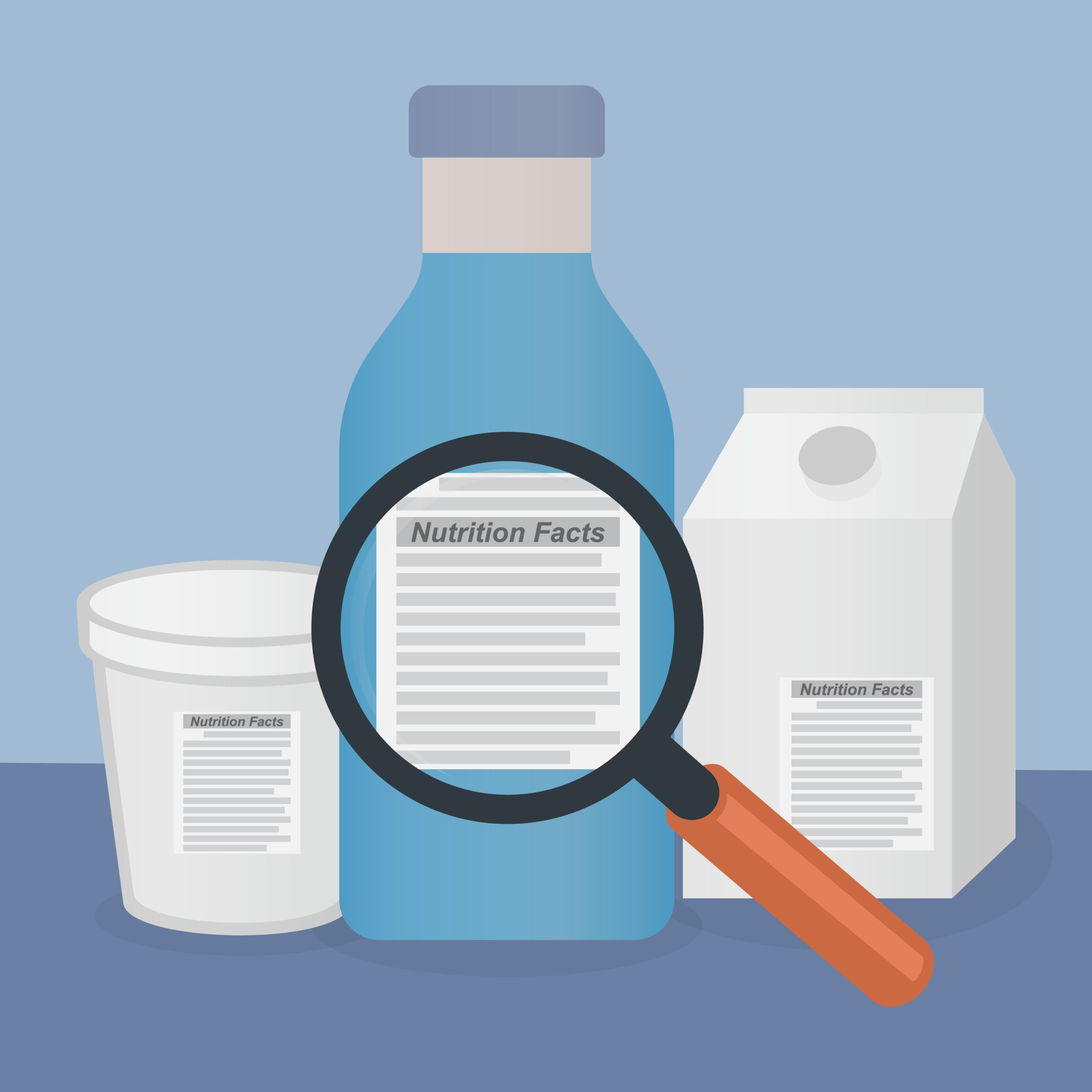
Do I Need Nutrition Facts on My Product? LabelCalc
Understanding Food Nutrition Labels | American Heart Association The U.S. Food and Drug Administration (FDA) regulates the Nutrition Facts label seen on packaged foods and drinks. In 2016, the FDA released changes to the label to make it easier to see how many calories and added sugars are in a product and to make serving sizes more realistic.
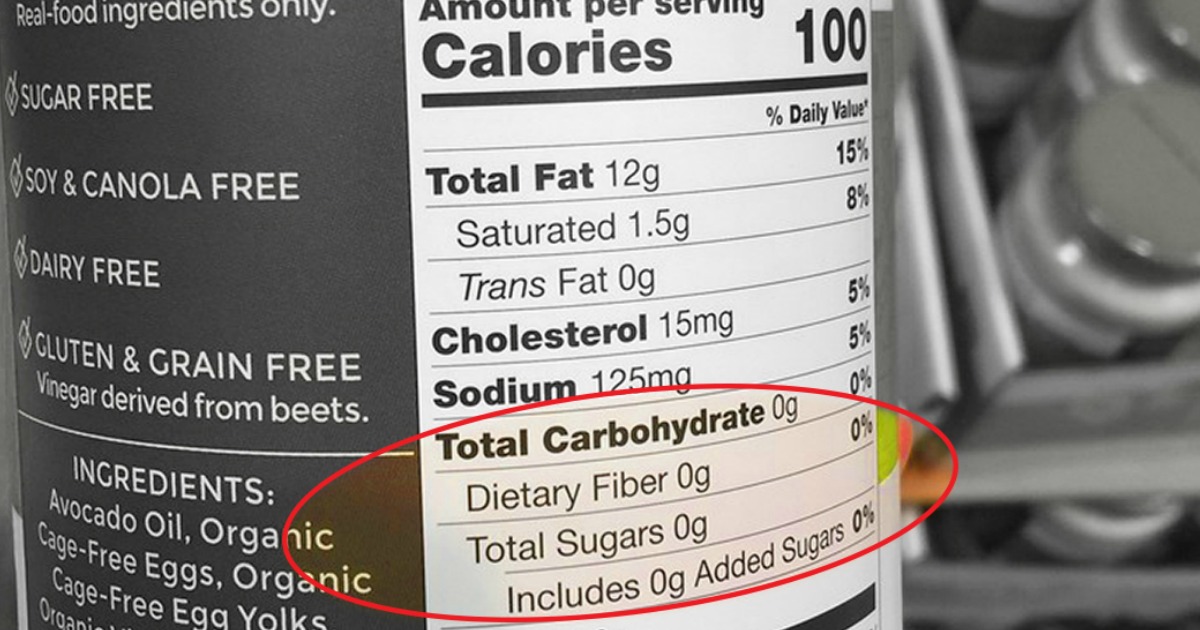
How to Read a Nutrition Label on the Keto Diet | Official ...
Food Labels | CDC - Centers for Disease Control and Prevention If you eat the whole thing, you are eating 8 times the amount of calories, carbs, fat, etc., shown on the label. Total Carbohydrate shows you types of carbs in the food, including sugar and fiber. Choose foods with more fiber, vitamins, and minerals. Choose foods with lower calories, saturated fat, sodium, and added sugars.
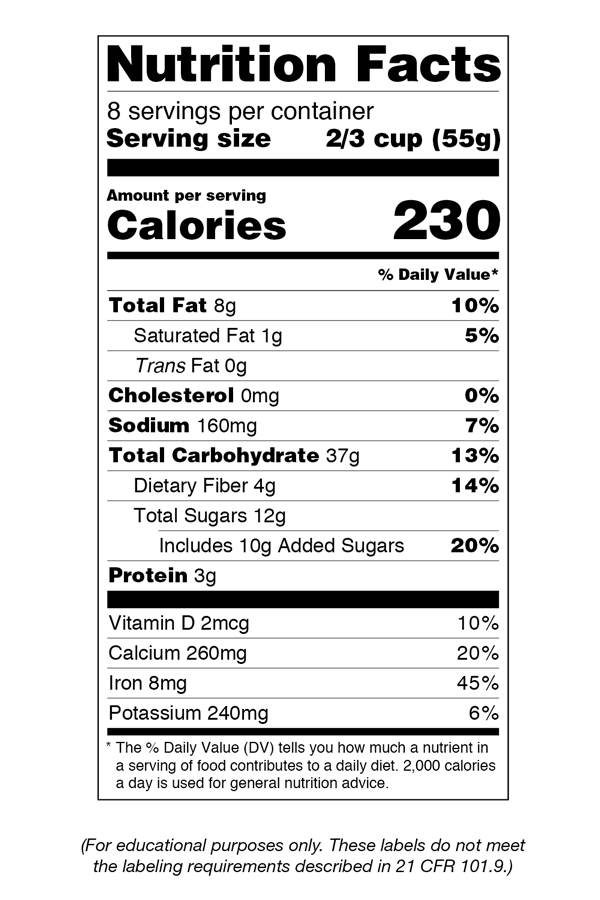
Reading Nutrition Facts Labels - EFNEP - Expanded Food and ...
Why Is Reading A Food Label Important? Our Expert Nutritionist Has The ... Food labels comes under the heading "Nutrition Facts" which is written in white with all black and bold letters. It is generally found at the back of the food packet helping you in knowing what...
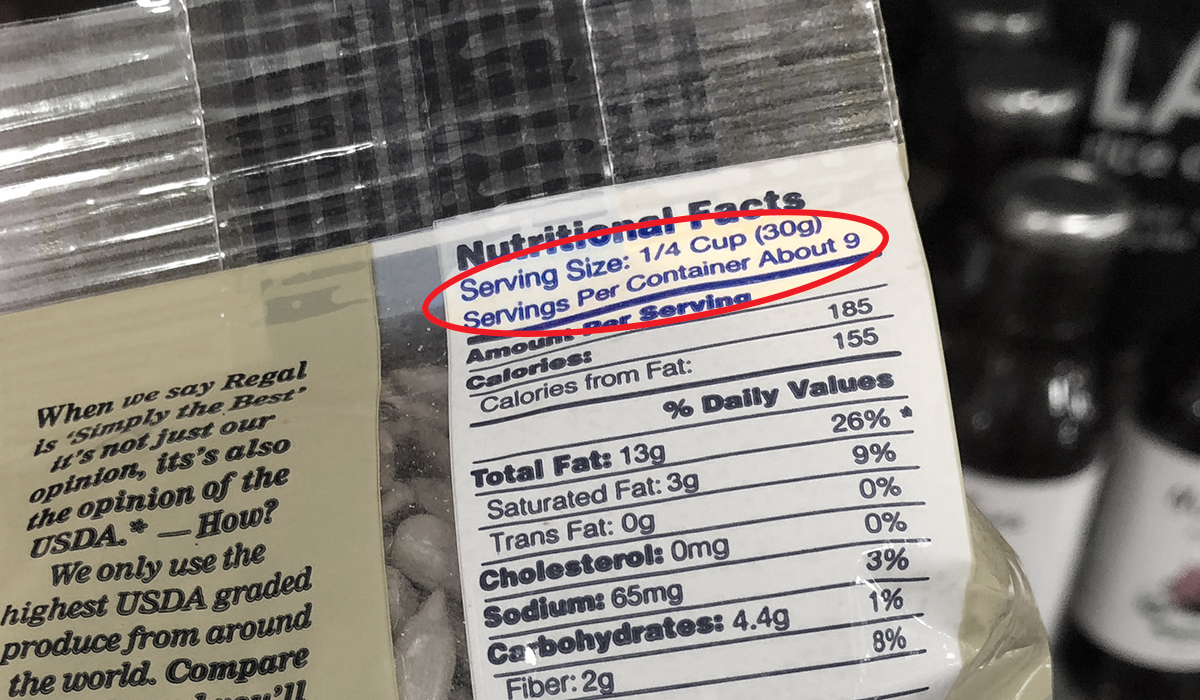
How to Read a Nutrition Label on the Keto Diet | Official ...
Importance of Nutrition Labels | Healthy Eating | SF Gate When you are deciding between two different foods, you can look at the nutrition labels to determine which food is more nutritious. You can compare the labels to determine which foods are lowest in...

Learn easy ways to read food labels & select healthy foods
Why Is Reading Food Labels Important? | livestrong All packaged foods come with a nutrition label meant to provide you with the information necessary to know exactly what you're eating. Understanding what's in the foods you eat helps you make healthier choices. Checking food labels also makes it easy for you to compare the nutrient content of different options.
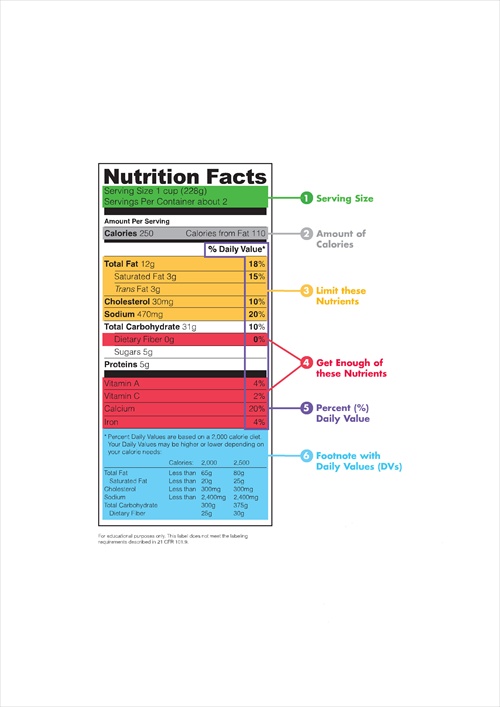
Reading Food Labels – Understanding How Food Labels Work
The Importance of Food Labelling | Eufic Ensuring food safety is a shared responsibility between governments, producers, industry and consumers. Food labelling is one way in which consumers can get knowledge about the food they consider buying. Correctly following the information provided on food labels (such as expiry dates, handling instructions and allergy warnings) can help ...

The Basics of the Nutrition Facts Label
How To Read Food and Beverage Labels - National Institute on Aging The % DV information is not calculated with the unique needs of older adults in mind. Read the nutrition label as a whole to determine how a particular food or drink fits into your healthy eating pattern. Is lower % DV always healthier? If a food has 5% DV or less of a nutrient per serving, it is considered low in that nutrient. If it has 20% DV or more of a nutrient per serving, it is considered high in that nutrient.

How to understand Nutrition food labels (EU/UK) — Gemma Sampson
Learn How the Nutrition Facts Label Can Help You Improve Your Health That means if you consume 2,000 calories in a day, added sugars should account for no more than 200 calories. Read the Nutrition Facts labels on your packaged food and drinks to keep track of sugars, fats, protein, and other nutrients. Most sodium we consume is from salt, and salt is commonly in processed foods.
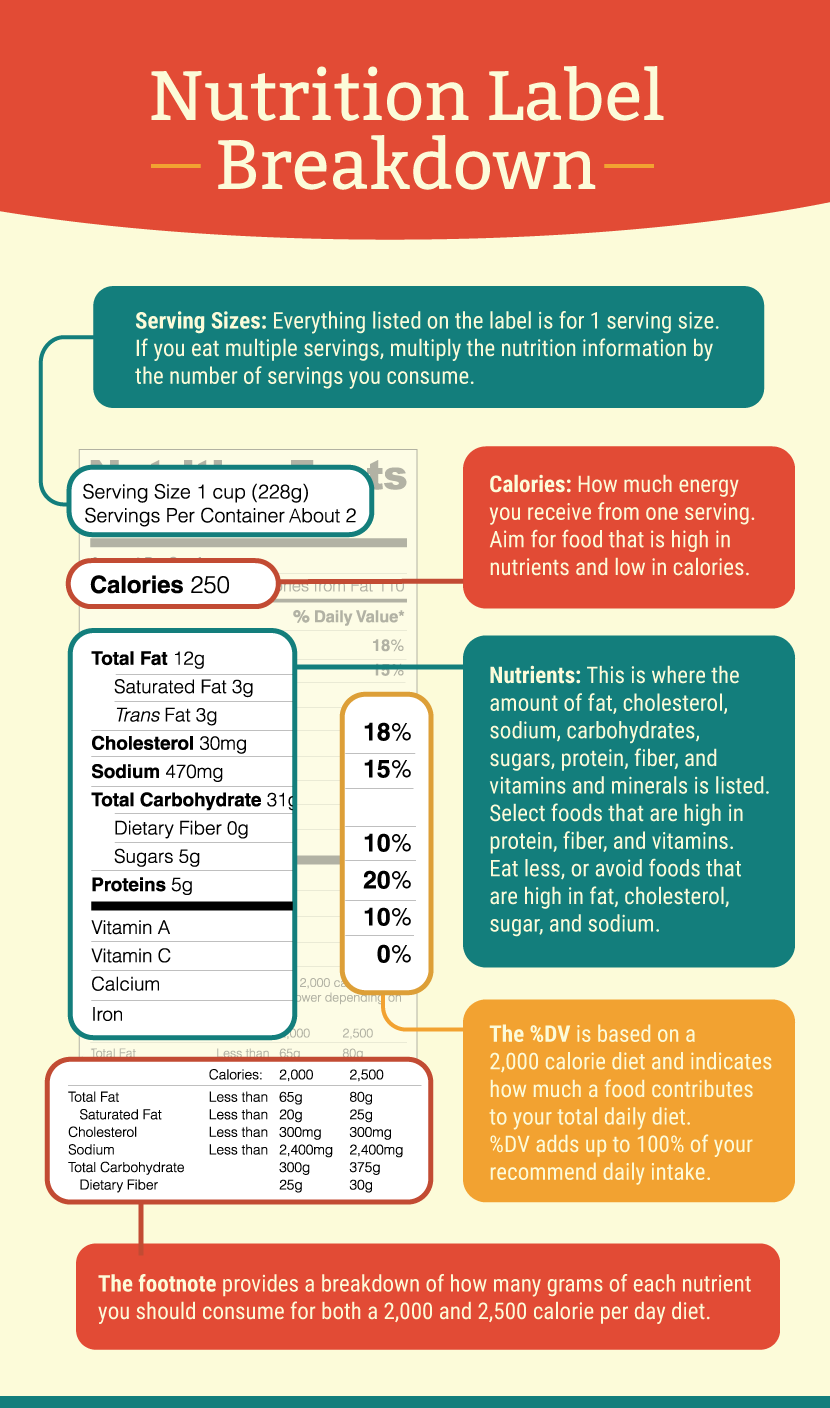
How to Read Nutrition Labels | Fix.com
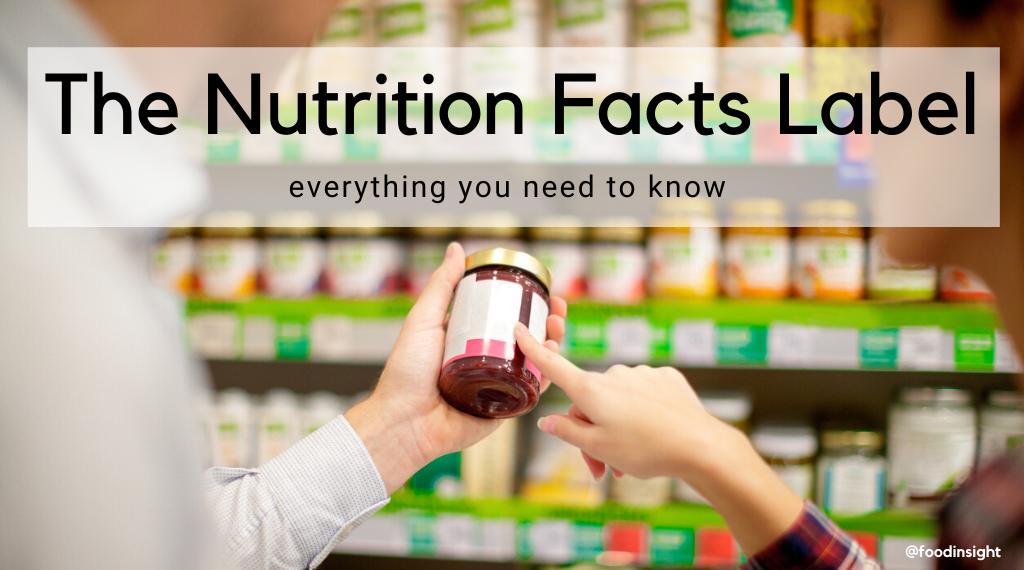
The Nutrition Facts Label: Its History, Purpose and Updates ...

Reading Food Labels Can Help You Lose Weight | Fooducate

Nutrition labels: how to meet consumer requirements - SpecPage
How to understand food nutrition labels | by Alpha Medical ...

Nutrition (Know What You're Buying: How to Read Food Labels ...
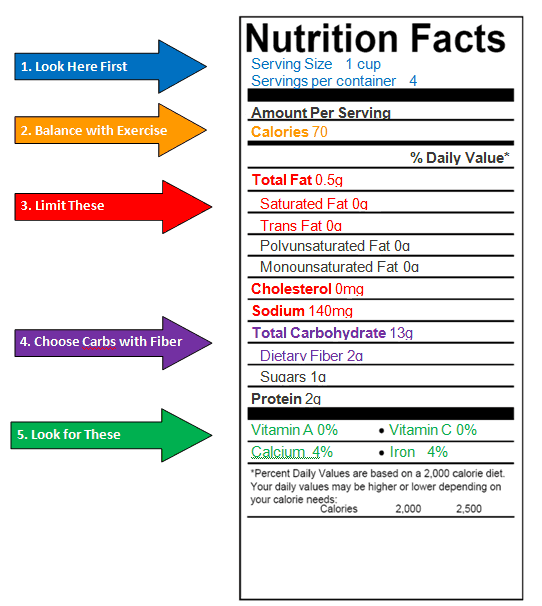
Understanding Nutrition Fact Labels

Reading Labels and the 5/20 Rule | Villanova University
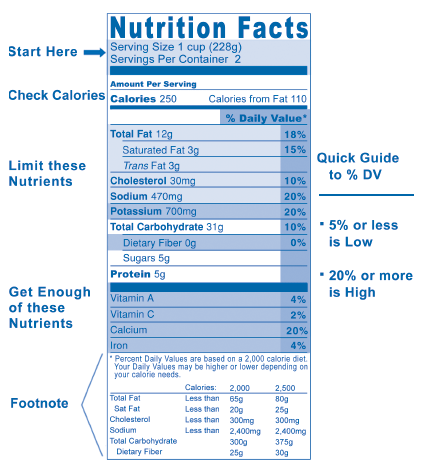
How to Use the Nutrition Fact Label, Eat Right, NHLBI, NIH
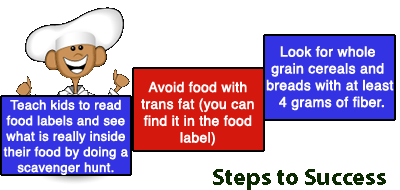
Food Label - Importance of Reading Food Labels - Value of ...
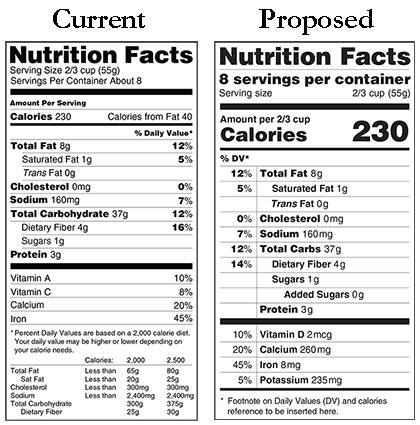
Read Food Labels to Keep Healthy Practices | Duke Today

Get to Know Nutrition Facts Labels Handouts
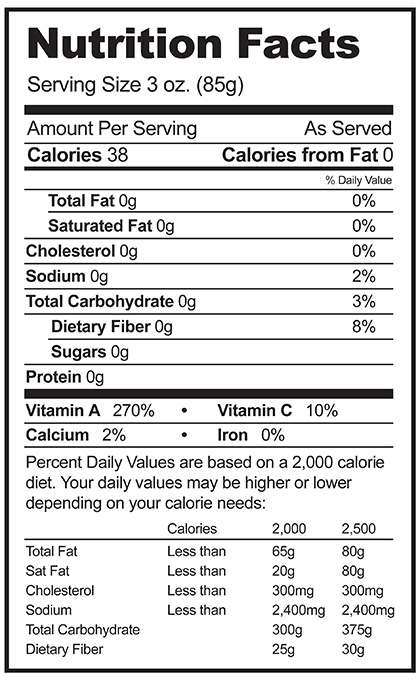
A Dietitian's Tips for Reading Food Labels | NorthShore
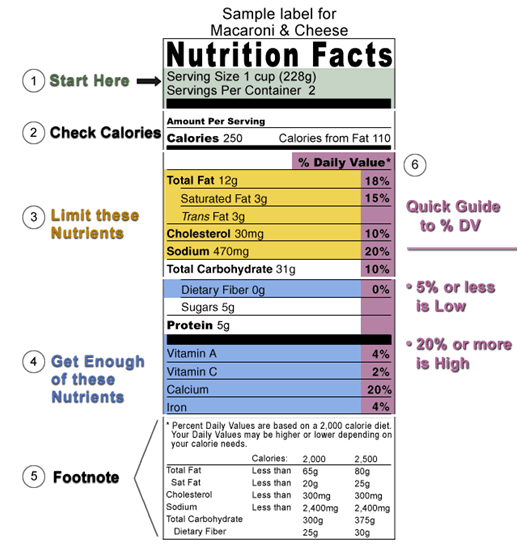
How to Read Food Nutrition Labels - Maine SNAP-Ed
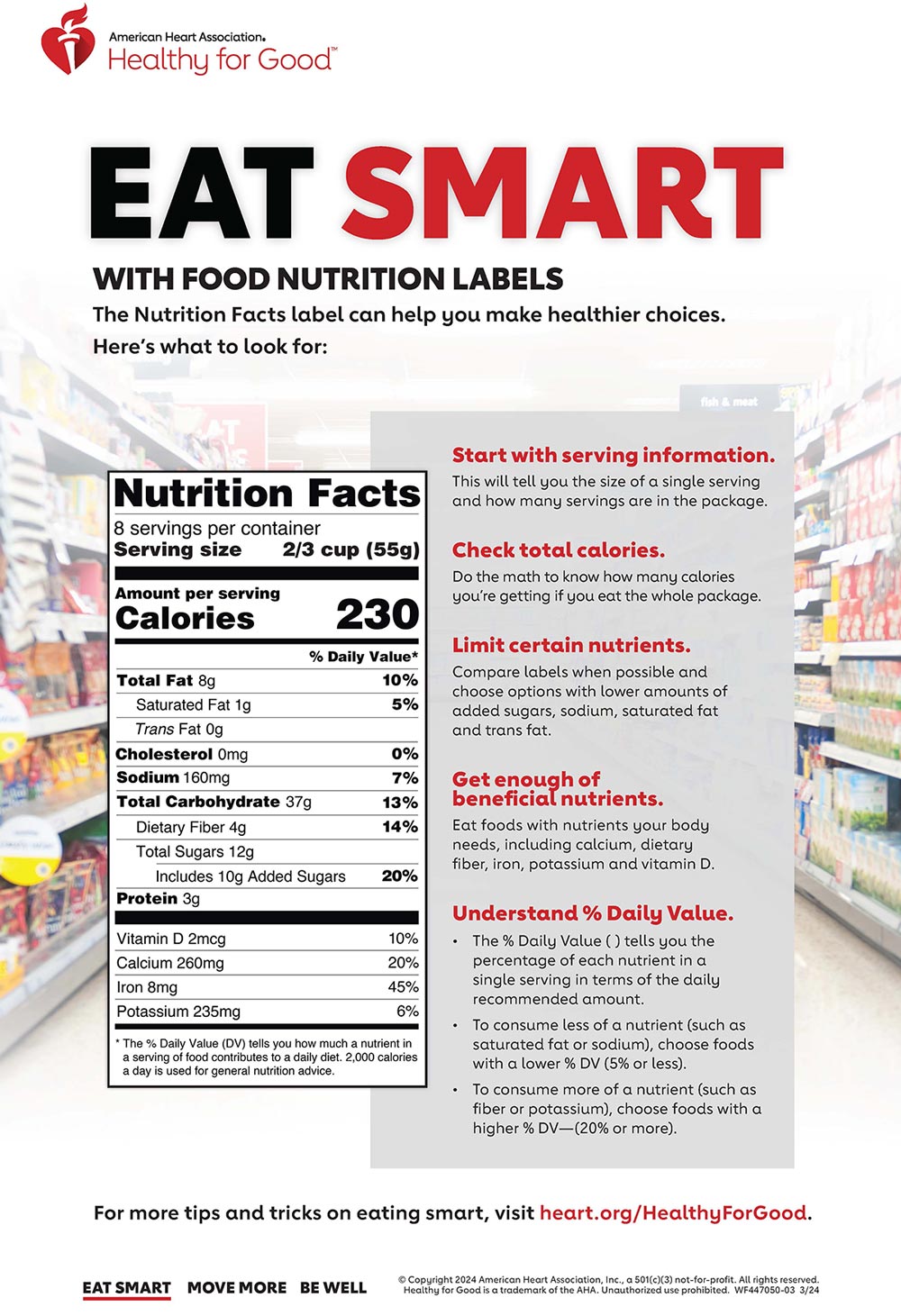
Making the Most of the Nutrition Facts Label Infographic ...
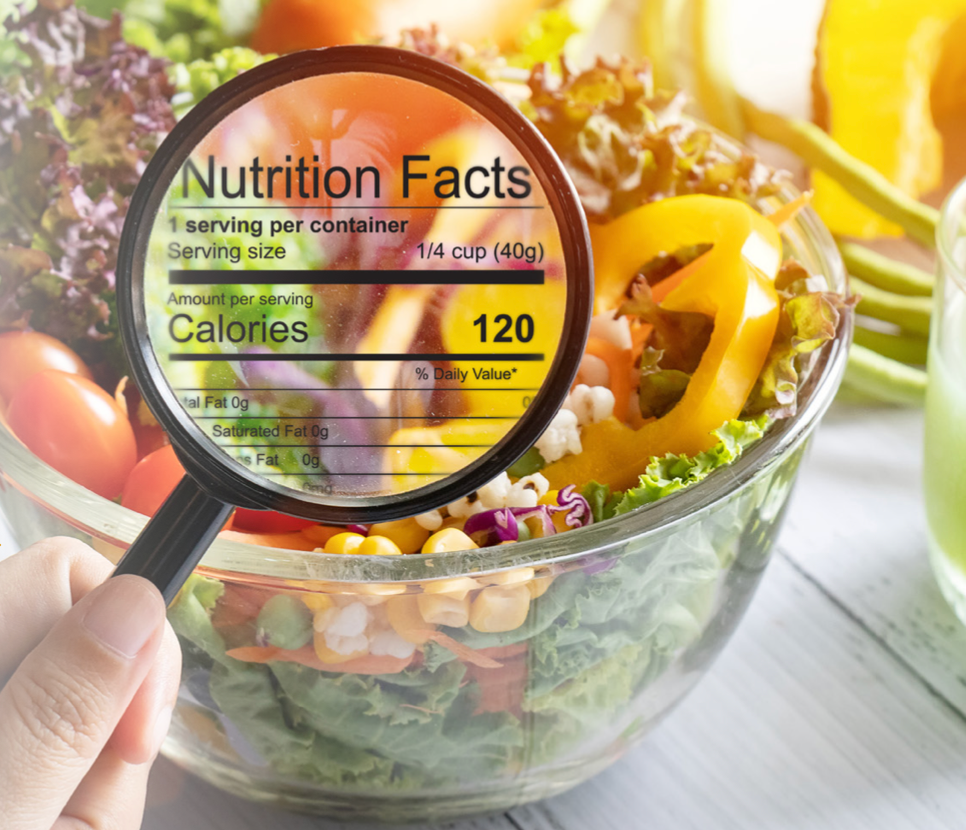
Reading Updated Food Nutrition Labels May Help People Adhere ...
/cloudfront-us-east-1.images.arcpublishing.com/gray/6SOYMFWW2NFBXO6RMLOFTO3K3Y.png)
What you need to know about the new nutrition label from the FDA

Here's How To Read Food Labels The Right Way - American ...
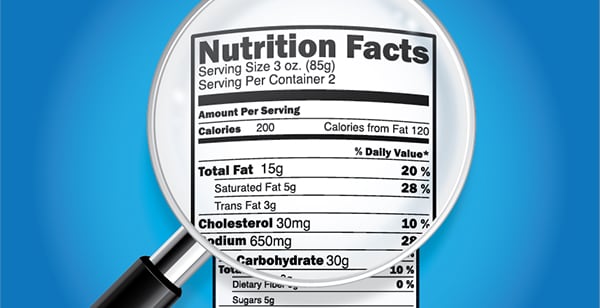
Food Labels | CDC

New Nutrition Facts Label in 2020: Changes and What to Know

Food Labels | Real Life, Good Food
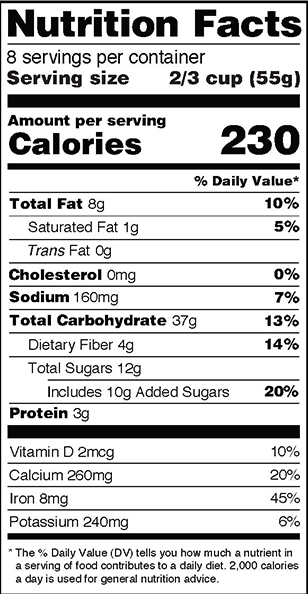
Reading Nutrition Labels – Eat Smart, Move More, Prevent Diabetes
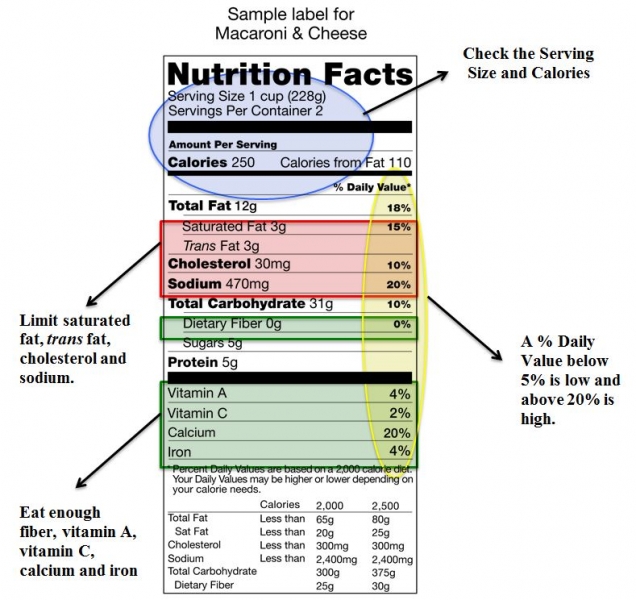
Reading Nutrition Facts Labels | Zuckerman Family Center for ...
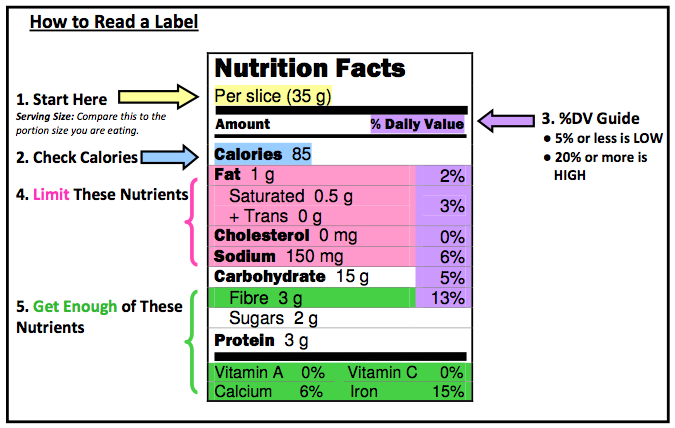
Label Reading 101 - NutritionRx
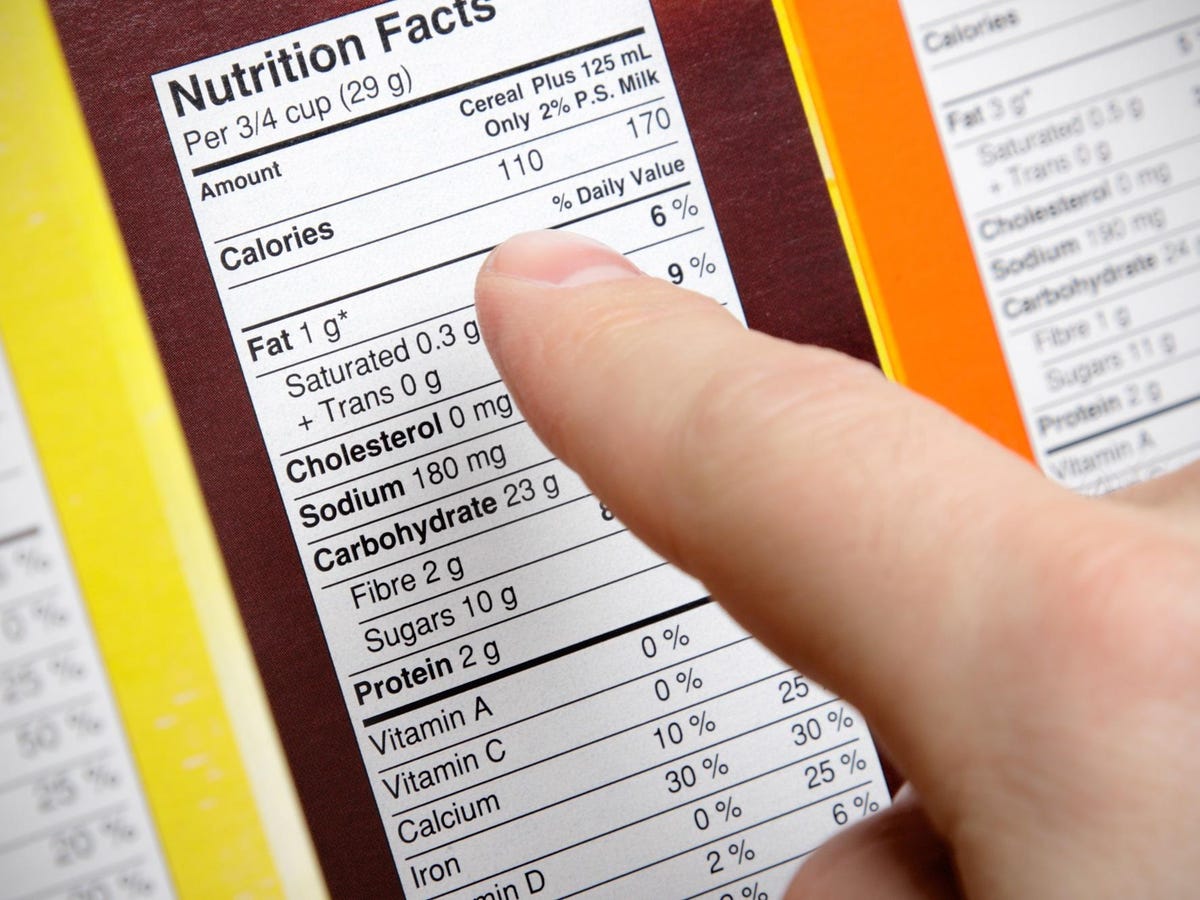
How to read and understand a nutrition label - CNET
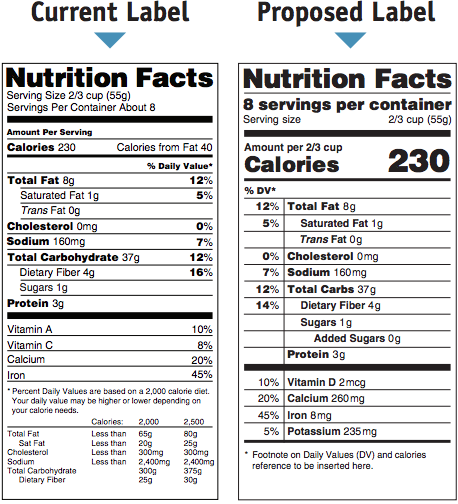
Learning to Read Labels

How To Read Food Nutrition Labels: Learn The Nutritional ...
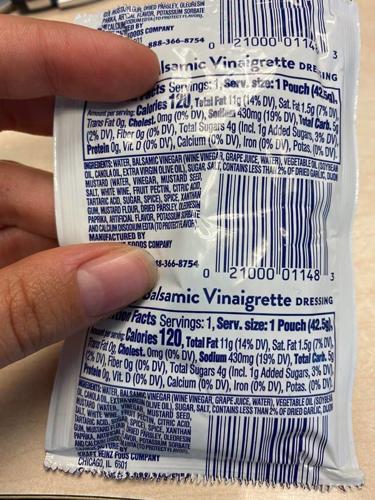
Understanding Nutrition Fact Labels | Columns ...
Post a Comment for "41 why do we need to read food nutrition labels"