44 independent record labels 1950s
POP VIEW; The Little Record Labels That Could (and They Did) One of the most significant of these outbreaks was the appearance in the late 1940's and 1950's -- overnight, like so many mushrooms -- of countless small independent record companies based in ... How Indie Record Labels Work - The Balance Careers An independent label, also known as an indie label, is a record label that is independently funded and not connected to one of the big three major labels — Universal, Sony and Warner. Indie labels range from home-based hobby labels to highly profitable, large businesses. In the 1990s, the line between indie labels and major labels began to ...
Recording Industry - Part 3: Independent Labels Find Success - NCpedia Colonial Records of Chapel Hill was undoubtedly the most successful of the independent record companies in North Carolina. Its owner, Orville Campbell, kept the label in business from 1948 to 1965, releasing a wide variety of recordings from bluegrass and country to pop, novelty, comedy, folk, and early rock 'n' roll.

Independent record labels 1950s
The Rise and Fall of Record Labels - Claremont Colleges Many more record labels entered the scene in the 1950s but eventually the record labels began to merge and consolidate to form a few corporate giants. The 1960s were a decade of consolidation in the recorded music industry. Due to economies of scale and the large-scale distribution needed to truly commercialize the The Independent Record Labels of the 1950's and 1960's The Independent Record Labels of the 1950's and 1960's History of Music Production Eric Eller Throughout the 1950's and 1960's, a wave of new musical ... At the Margins of Music: The Early LPs of Prestige Records the ep, after its introduction by rca victor in 1952, gained some commercial traction with independent jazz labels, including clef, savoy, contemporary, mercury, debut, and prestige. 4 the major labels—columbia, mgm, decca and capitol—released pop and crossover eps but did not use the format for jazz specifically besides the occasional discs …
Independent record labels 1950s. History of R&R CH 2 Flashcards | Quizlet Which of the following was NOT a major record label in the 1950s? Sun. To which independent label was Little Richard signed? ... Explain how payola was beneficial to indie record labels as well as independent radio stations. They used it to compete with the greater resources of shared by major labels. Independent radio stations Independent record labels and producers | Britannica Liberty was formed in Los Angeles by record salesman Al Bennett, Tamla, Motown, and Gordy in Detroit, Michigan, by songwriter Berry Gordy, and A&M in Los Angeles by the partnership of trumpeter Herb Alpert and promotion man Jerry Moss. The Independent Record Labels Of The 1950'S And 1960'S The Independent Record Labels of the 1950's and 1960's. The Independent Record Labels of the 1950's and 1960's History of Music Production Eric Eller Throughout the 1950's and 1960's, a wave of new musical movements by independent record labels and new artists emerged in the United States. This movement is captured in the stories of those label creators and owners, and in the turbulent journey through their successes and failures. The Independent Record Companies The small independent record companies that dominated the rhythm and blues market in the late 1940s and early 1950s relied on payola, which wasn't a Federal crime, in order to compete and get their records on the radio.With the coming of rock and roll the number of small recorded companies increased increasing competition in getting their records heard and payola simply became a necessary evil.
Record labels that rocked our world - The Independent Despite healthy record sales, the label suffered a cash-flow crisis in the early 1990s, but was saved from bankruptcy in 1994 by PolyGram, which bought Sony's 50 per cent share in the label. Independent label vs The Major labels. Pros and Cons! - Medium Cons. Resources spread among many acts. Staff turnover. Limited personal attention. Limited negotiating leverage. Many dedicated music lovers work on the major label side of the music industry ... The Independent Record Labels of the 1950's and 1960's The Independent Record Labels of the 1950's and 1960's 4291 Throughout the 1950's and 1960's, a wave of new musical movements by independent record labels and new artists emerged in the United States. This movement is captured in the stories of those label creators and owners, and in the turbulent journey through their successes and failures. The Joy of 45 Collecting: Reissues and Reissue Labels - Classic 45's This series started out highlighting artists on the Era record label, but it branched out into other artists as time went on. It was a fairly bare-bones series, with minimal information on the labels. It concentrated on 1950s and 1960s artists though remaining in print through the 1970s.
A History of Black-Owned Record Labels - Part II - Djrobblog.com Known as the John Dolphin record labels; Recorded In Hollywood Records, Lucky Records, Dolphins of Hollywood Records, Cash Records, and Money Records. John Dolphin was the most popular Blackman in Los Angeles in the 1950's and legendary record producer. Released records on over 120 of the finest artist and groups in Los Angeles; The Independent Labels - University of Idaho The Independent Labels. The History of Rock. When rock music emerged in the late 1940s and early 50s the recording industry in America was dominated by a few major labels such as RCA, Columbia, and Decca and these labels focused on main stream popular music as well as classical music. Initially, these labels ignored niche music such as rhythm and blues (also known as race music). Why were independent record labels and recording artists ... In conclusion, independent labels in the 1950s were more inclined than the majors to adopt innovative production techniques. This was likely due to financial ... Chapter 5: The Reaction to Rock 'n' Roll Flashcards | Quizlet How did the major record companies contribute to the rise of independent record companies in the 1940s and 1950s? ... Major label white artists covering independent black artists. ... By the late 1950s, the television show that had become one of the most important promotional vehicles in the music industry was ...
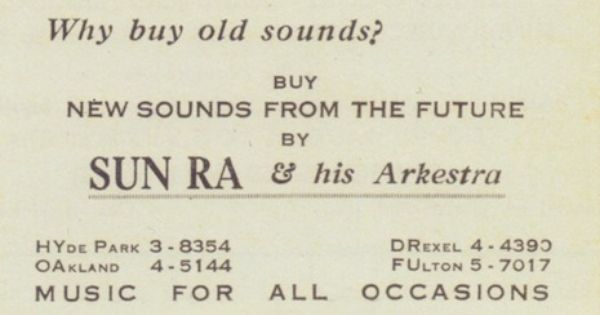
A Collection of Sun Ra's Business Cards from the 1950s: They're Out of This World | Open Culture
Major Labels vs Independent Labels | Differences Between ... - TeenStar The term 'indie' (independent) is applied to any music label that operates outside the sphere of the major corporations. Indie labels differ dramatically in size and capacity: from professional teams working in slick premises, to self-trained individuals using their home computer to run the business. Many artists who are now with major ...
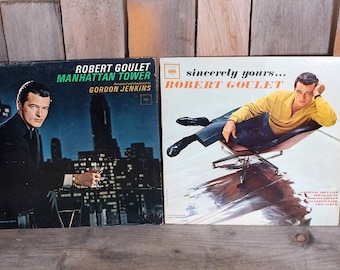
1960s record | Etsy
What happened to radio DJs?: Payola, rock and roll, and race in the 1950s This allowed independent record labels and BMI, the insurgent music rights clearinghouse competing with ASCAP, to grow and take market share. ... FTC, and FCC probes in the late 1950s focused primarily on small, independent record labels' relationships with disc jockeys. Lawmakers saw only nefarious reasons for the rise of rock and roll ...
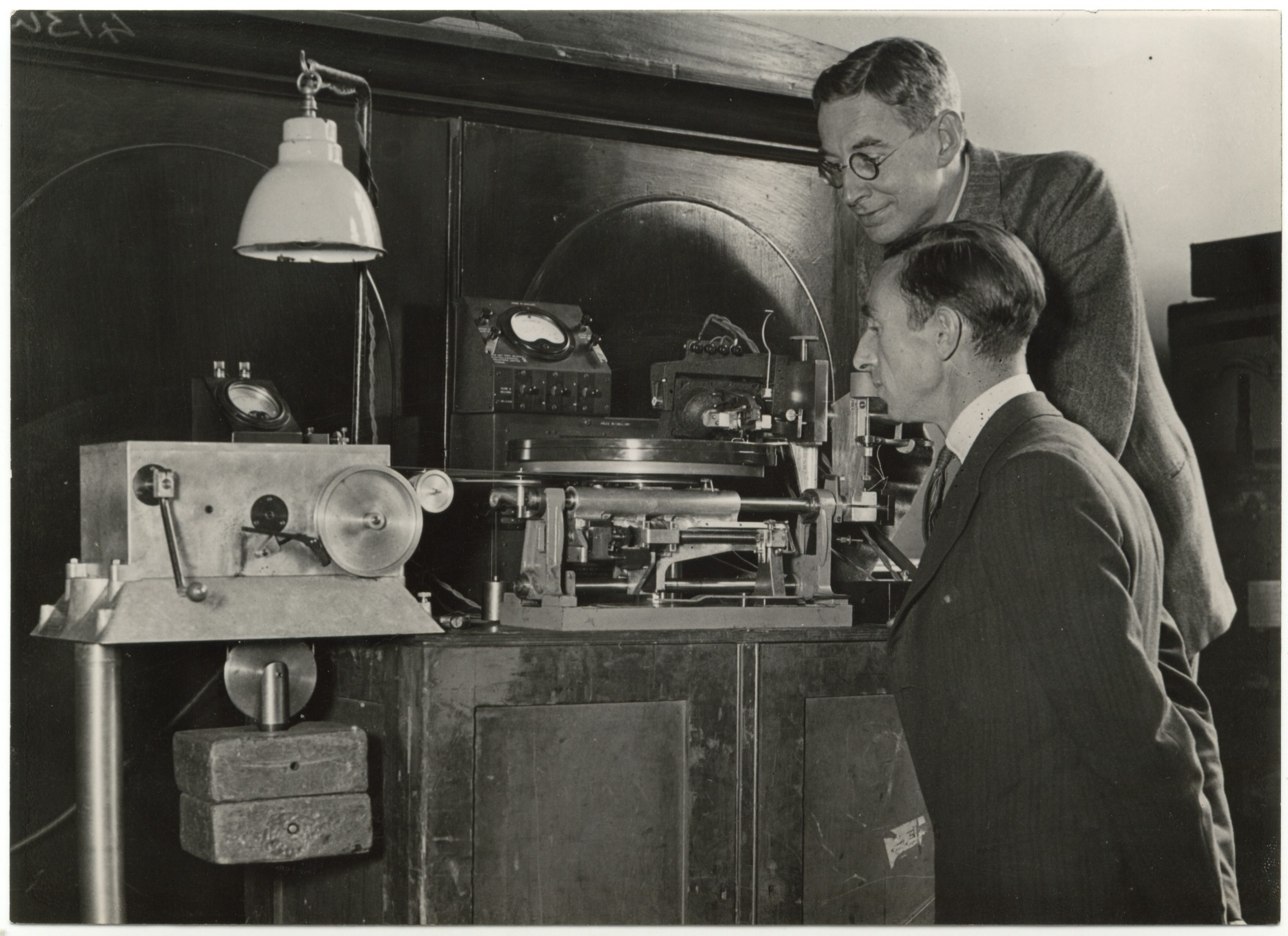
cliodhna music blog
Independent record label - Wikipedia An independent record label (or indie label) is a record label that operates without the funding or distribution of major record labels; ... From 1940s to 1950s, R&B indie labels such as Savoy, Apollo, King, Modern, Mercury, Imperial, Specialty, Red Robin, Duke and Vee-Jay Records were founded.
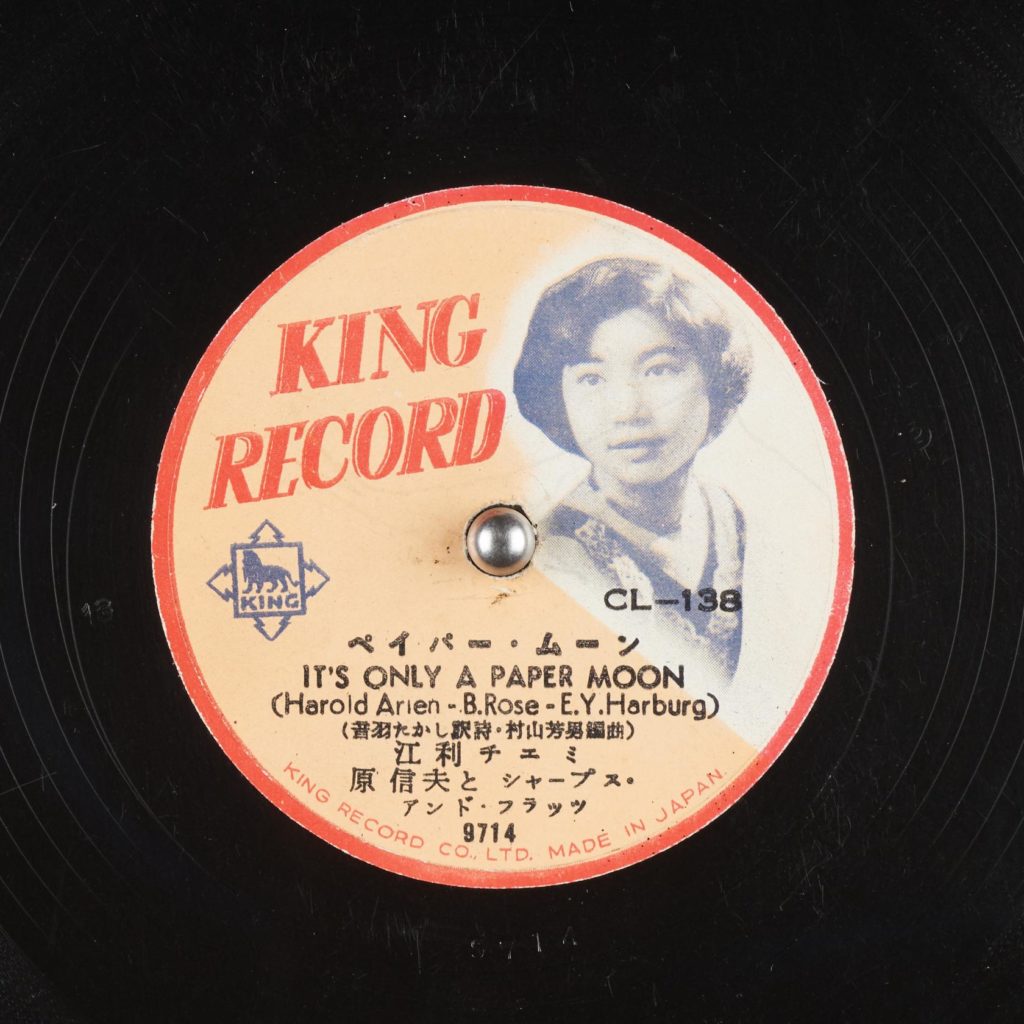
KING RECORD (Japan) – The 78 rpm Club
The independent record labels of the 1950's and 1960's - 4333 ... Throughout the 1950's and 1960's, a wave of new musical movements by independent record labels and new artists emerged in the United States.

Phil Chess, Whose Record Label Elevated Unknown Blues Musicians, Dies at 95 - The New York Times
Independent Record Labels of the Early Rock Era 1950 o o Tennessee (Alan and Reynolds Bubis) Nashville, Tennessee o o Dot (Randy Wood & Gene Nobles) Gallatin, Tenn o o RPM (Lester (Bihari) Los Angeles, California o o Trumpet (Willard & Lillian McMurry) Jackson, Miss ; 1951 o o Red Robin (Bobby Robinson) New York o o Nashboro-Ernie Y (Ernie Young) Nashville
Post a Comment for "44 independent record labels 1950s"